
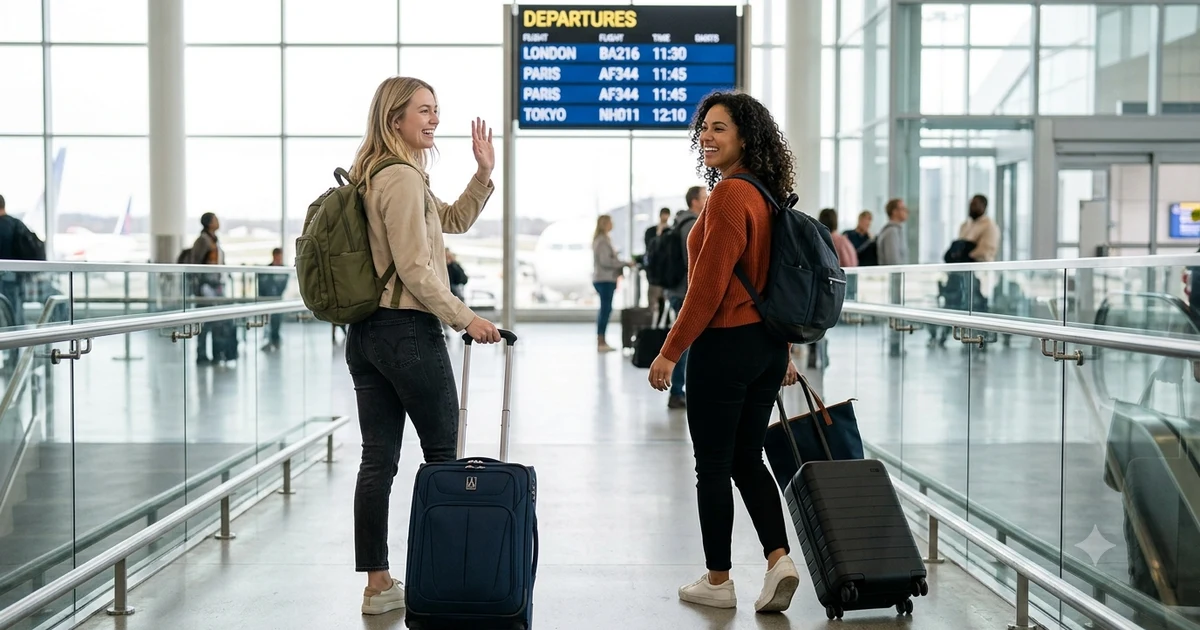
Wishing someone a safe trip is a thoughtful gesture, but saying the same phrase every time can feel repetitive. Whether you’re sending a text to a friend, writing a professional email to a coworker, or saying goodbye to a family member at the airport, there are many natural alternatives that fit different situations.
This guide shares other ways to say safe travels, explains when to use each one, and includes practical examples for casual, professional, warm, and humorous conversations.
Quick Answer
There are many friendly and professional alternatives to saying safe travels. Depending on your relationship with the person and the situation, you can say Have a great trip, Travel safely, Have a smooth journey, Wishing you a safe journey, Enjoy your adventure, or See you when you get back. The best choice depends on whether your message is casual, formal, or heartfelt.
TL;DR
- Meaning: A way to wish someone a safe and pleasant journey.
- Tone: Friendly, caring, supportive, or professional.
- Common use: Before vacations, business trips, holidays, road trips, or flights.
- Where it appears: Text messages, emails, greeting cards, social media posts, and face-to-face conversations.
- Formality: Works in both formal and informal settings when paired with the right wording.
What Other Ways to Say Safe Travels Mean
The phrase safe travels expresses goodwill before someone begins a journey. It tells the traveler that you hope they arrive safely while also wishing them an enjoyable experience.
Although it’s widely used, many people prefer alternatives that sound more personal or better match the occasion. A close friend might appreciate something warm and playful, while a colleague may expect a more professional message.
The goal remains the same: to show care, encouragement, and kindness before someone leaves.
Basic Explanation of the Phrase
Safe travels is not an abbreviation or internet slang. It is a traditional English expression used to wish someone well before they travel.
People commonly say it before:
- Flights
- Road trips
- Train journeys
- Cruises
- Business travel
- Family vacations
- International travel
- Weekend getaways
The phrase is suitable in spoken conversations, text messages, emails, farewell cards, and social media comments.
35 Other Ways to Say Safe Travels
Here are natural alternatives organized by tone and situation.
| Alternative | Best For | Tone |
|---|---|---|
| Have a safe trip | Everyday conversations | Friendly |
| Travel safely | Universal use | Caring |
| Have a great trip | Vacations | Cheerful |
| Have a wonderful journey | Formal or heartfelt | Warm |
| Wishing you a safe journey | Professional emails | Polite |
| Enjoy your trip | Friends and family | Casual |
| Have a smooth journey | Flights or long-distance travel | Professional |
| Hope everything goes smoothly | Business or personal travel | Supportive |
| Take care on the road | Driving trips | Caring |
| Drive safely | Road trips | Direct |
| Fly safe | Air travel | Casual |
| Bon voyage | Vacations and international travel | Classic |
| Enjoy every moment | Holiday travel | Warm |
| Hope you have an amazing adventure | Leisure trips | Enthusiastic |
| Have an unforgettable trip | Special vacations | Encouraging |
| See you when you get back | Friends and coworkers | Friendly |
| Can’t wait to hear about your trip | Family and friends | Personal |
| Hope the journey is easy | Long-distance travel | Gentle |
| Wishing you smooth travels | Formal messages | Professional |
| Have fun exploring | Adventure travel | Casual |
| Enjoy the journey | General travel | Inspirational |
| Safe journey | Traditional expression | Neutral |
| Hope the weather cooperates | Vacation travel | Friendly |
| Have a relaxing vacation | Holiday trips | Warm |
| May your trip be stress-free | Business or leisure | Thoughtful |
| Have a pleasant flight | Air travel | Formal |
| Hope you arrive safely | Any trip | Caring |
| Looking forward to hearing about your adventures | Close friends | Personal |
| Make wonderful memories | Vacations | Heartfelt |
| Have an easy flight | Flying | Casual |
| Wishing you clear skies | Flights | Creative |
| Stay safe and enjoy yourself | Family | Caring |
| Hope everything goes according to plan | Business travel | Professional |
| Enjoy the ride | Short trips | Casual |
| Until we meet again | Long departures | Sentimental |
How People Use It in Texting and Online Conversations
People often send travel wishes through text messages or social media because they may not have the chance to say goodbye in person.
Short messages work especially well before someone boards a flight or starts a road trip.
Examples include:
- Have a great trip. Talk soon.
- Hope everything goes smoothly today.
- Drive safely and enjoy the vacation.
- Have fun and make lots of memories.
- Wishing you a smooth flight home.
- Hope you have an amazing time.
- Enjoy every minute of your trip.
- Looking forward to hearing all about it.
On platforms like Instagram or Facebook, people often leave travel wishes in the comments under vacation photos or departure announcements.
Examples include:
- Hope you have the best trip.
- Have an incredible adventure.
- Safe journey and enjoy every minute.
- Have an amazing vacation.
- See you when you’re back.
These alternatives sound natural in online conversations without feeling repetitive.
Tone and Emotional Meaning
Travel wishes can carry different emotions depending on the words you choose.
Friendly
These work well with friends, classmates, neighbors, and coworkers.
Examples include:
- Have a great trip.
- Enjoy your vacation.
- Have fun exploring.
- See you soon.
Caring
These emphasize the person’s safety.
Examples include:
- Travel safely.
- Take care on the road.
- Hope you arrive safely.
- Wishing you a smooth journey.
Professional
Suitable for clients, managers, coworkers, and business contacts.
Examples include:
- Wishing you a safe journey.
- Have a productive and safe trip.
- Hope your travels go smoothly.
- Have a pleasant flight.
Heartfelt
Perfect for close family members or loved ones.
Examples include:
- I’ll be thinking of you while you’re away.
- Can’t wait until you’re back.
- Hope every part of your journey brings happiness.
- Wishing you wonderful memories.
Lighthearted
These add personality without sounding overly formal.
Examples include:
- Don’t forget the sunscreen.
- Bring back great stories.
- Enjoy every adventure.
- Hope your suitcase behaves itself.
The tone you choose should match both the traveler and the occasion.
Common Situations Where These Travel Wishes Work
Different trips call for different messages. Here are some common situations where an alternative to safe travels fits naturally.
a-Before a Vacation
- Have an amazing vacation.
- Make wonderful memories.
- Enjoy every moment.
- Have the best time.
b-Before a Business Trip
- Wishing you a productive trip.
- Hope everything goes smoothly.
- Safe journey.
- Have a successful visit.
c-Before a Road Trip
- Drive safely.
- Take care on the road.
- Enjoy the drive.
- Hope traffic is kind to you.
d-Before a Flight
- Have a smooth flight.
- Fly safe.
- Hope you have an easy journey.
- Wishing you clear skies.
Before an International Trip
- Bon voyage.
- Have an incredible adventure.
- Enjoy exploring somewhere new.
- Hope you have a fantastic experience.
These expressions help you choose words that feel genuine instead of relying on the same phrase every time.
Examples in Real Conversations
Here are some realistic examples that show how different travel wishes fit different situations.
| Situation | Example | Meaning |
|---|---|---|
| Friend going on vacation | Have an amazing trip. I can’t wait to see your photos. | Warm and encouraging |
| Coworker leaving for a business trip | Wishing you a smooth trip and a successful meeting. | Professional and supportive |
| Family member taking a road trip | Drive safely and let us know when you arrive. | Caring and protective |
| Student studying abroad | Enjoy every moment of this experience. Safe journey. | Encouraging and heartfelt |
| Neighbor heading on holiday | Hope you have a relaxing vacation. See you when you’re back. | Friendly and casual |
| Partner catching a flight | Have a safe flight. I’ll be thinking of you. | Affectionate and reassuring |
| Friend leaving for a weekend getaway | Have fun and enjoy the break. | Casual and cheerful |
| Colleague returning home | Have a pleasant flight home. | Polite and professional |
Text Message Examples
These short messages work well in everyday texting.
Casual
Have a great trip. Have fun.
Friendly
Travel safely and enjoy every minute.
Professional
Wishing you a successful trip and safe travels home.
Heartfelt
I hope everything goes smoothly. Take care and enjoy your journey.
Family
Drive safely. Let us know when you get there.
Similar Terms and Related Phrases
Many expressions share the same purpose, but each has a slightly different tone.
| Phrase | Best Used When | Difference |
|---|---|---|
| Safe travels | General travel | Neutral and widely used |
| Safe journey | Traditional wording | Slightly more formal |
| Have a safe trip | Everyday conversations | Friendly and common |
| Travel safely | Giving advice kindly | Focuses on safety |
| Bon voyage | Vacations and international trips | Classic expression borrowed from French |
| Have a great trip | Leisure travel | Emphasizes enjoyment |
| Have a pleasant journey | Formal situations | More polished |
| Enjoy your trip | Friends and family | Focuses on fun rather than safety |
| Have a smooth journey | Flights or long-distance travel | Highlights comfort and ease |
| See you when you get back | Friends and coworkers | Focuses on returning home |
Which One Sounds Most Natural?
If you’re unsure what to say, these choices fit most situations:
- Have a safe trip
- Travel safely
- Have a great trip
- Enjoy your vacation
- Wishing you a safe journey
Each sounds natural in American, Canadian, British, and Australian English.
When You Should Use These Expressions
Travel wishes are appropriate whenever someone is leaving for a trip, whether it lasts a few hours or several weeks.
Good times to use them include:
- Before someone boards a flight
- Before a road trip
- Before a vacation
- Before a cruise
- Before a train journey
- Before studying abroad
- Before moving to another city
- Before a work trip
- Before visiting family
- Before an international holiday
They also work well in:
- Text messages
- Emails
- Farewell cards
- Social media comments
- Group chats
- Face-to-face conversations
A short, sincere message often feels more meaningful than a long farewell.
When You Should Avoid Certain Alternatives
Although most travel wishes are appropriate, some expressions may not fit every situation.
Avoid very casual wording when writing to:
- Your manager
- A client
- A professor
- Someone you do not know well
For example, these may sound too informal:
- Have fun out there
- Don’t do anything crazy
- Bring me souvenirs
- Hope your suitcase survives
Instead, choose something like:
- Wishing you a safe journey.
- Have a pleasant trip.
- Hope your travels go smoothly.
Likewise, avoid overly formal wording when texting close friends. Saying Have a pleasant journey may sound distant if you usually communicate casually.
Is It Formal or Informal?
Most alternatives can be adjusted to match the situation.
| Expression | Formal | Informal |
|---|---|---|
| Wishing you a safe journey | Yes | Yes |
| Have a pleasant trip | Yes | Sometimes |
| Have a smooth journey | Yes | Yes |
| Have a safe trip | Sometimes | Yes |
| Travel safely | Yes | Yes |
| Enjoy your vacation | Sometimes | Yes |
| Have fun | No | Yes |
| See you when you get back | No | Yes |
| Bon voyage | Yes | Yes |
For workplace communication, keep your wording polite and straightforward.
Examples include:
- Wishing you a successful and safe trip.
- Have a pleasant flight.
- Hope your meetings go well.
For friends and family, a warmer tone often feels more natural.
Examples include:
- Have an amazing time.
- Enjoy every minute.
- Can’t wait to hear all about it.
Common Misunderstandings
Most people understand travel wishes immediately, but a few situations can create confusion.
Assuming Every Phrase Means the Same Thing
While the overall message is similar, each phrase emphasizes something different.
- Have a great trip focuses on enjoyment.
- Travel safely focuses on protection.
- Bon voyage adds a traditional touch.
- Have a smooth journey highlights comfort.
Using Humor With the Wrong Audience
Jokes like Don’t miss your flight or Try not to get lost may not suit professional relationships or someone who feels anxious about traveling.
Choosing an Overly Formal Phrase
Expressions such as Have a pleasant journey may sound stiff in casual text messages between close friends.
Forgetting the Context
Someone traveling for a funeral, medical treatment, or another difficult reason may appreciate a thoughtful message such as:
- Thinking of you during your trip.
- Wishing you safe travels and strength.
- Take care of yourself.
Matching your words to the reason for the trip shows empathy.
How These Expressions Are Used in the USA and Other English-Speaking Countries
Across the United States, Canada, the United Kingdom, Australia, and New Zealand, people commonly use a variety of travel wishes in both personal and professional conversations.
These are especially common in the United States and Canada.
- Have a safe trip
- Safe travels
- Have a great trip
- Drive safely
- Have a safe flight
In the United Kingdom, you may also hear:
- Safe journey
- Have a good journey
- Have a lovely holiday
In Australia and New Zealand, people often prefer relaxed expressions such as:
- Have a great trip.
- Enjoy your holiday.
- Have fun.
- Travel safe.
The wording may vary slightly by region, but the meaning remains the same: expressing care and wishing someone well before they travel.
Quick Reference Table
| Context | What It Means | Tone | Best Use | Avoid If |
|---|---|---|---|---|
| Vacation | Hope you enjoy your holiday safely | Friendly | Friends and family | Never |
| Business trip | Wishing success and a safe journey | Professional | Workplace emails | Using overly casual jokes |
| Road trip | Stay safe while driving | Caring | Family and friends | Formal business settings |
| Flight | Have a smooth and safe flight | Supportive | Air travel | Rarely inappropriate |
| International travel | Enjoy your adventure abroad | Warm | Vacations and study abroad | Serious or difficult travel situations |
| Social media comment | Friendly farewell | Casual | Vacation posts | Formal announcements |
| Greeting card | Thoughtful travel wish | Warm | Family or close friends | Very casual slang |
| Polite farewell before travel | Professional | Clients and coworkers | Informal expressions like Have fun out there |
Conclusion
There are many other ways to say safe travels, and the best choice depends on who you’re speaking to and why they’re traveling. A simple phrase like Have a safe trip works in almost any situation, while options such as Wishing you a safe journey or Have a pleasant flight suit more formal settings. For friends and family, warmer expressions like Enjoy your adventure or Can’t wait to hear all about your trip can make your message feel more personal.
A thoughtful travel wish does not need to be long. Choosing words that match the occasion and your relationship with the traveler helps your message feel sincere and memorable.
FAQs
What are some other ways to say safe travels?
Some popular alternatives include:
- Have a safe trip
- Travel safely
- Have a great trip
- Wishing you a safe journey
- Have a smooth journey
- Enjoy your vacation
- Bon voyage
- Have a pleasant flight
- See you when you get back
- Hope you arrive safely
These expressions all communicate care while fitting different situations and relationships.
Is safe travels formal or informal?
Safe travels is generally considered neutral. It works well in both formal and informal conversations.
For professional emails, you can also use:
- Wishing you a safe journey.
- Have a pleasant trip.
- Hope your travels go smoothly.
For friends and family, casual alternatives such as Have a great trip or Enjoy your vacation usually sound more natural.
Can I use safe travels in a professional message?
Yes. It is appropriate for workplace emails, team chats, and messages to clients or colleagues.
For example:
I hope your meetings go well. Safe travels, and I look forward to speaking with you next week.
If you want a slightly more formal tone, Wishing you a safe journey is an excellent choice.
What is the difference between safe travels and have a safe trip?
The two expressions have nearly the same meaning.
- Safe travels is a general wish for someone’s entire journey.
- Have a safe trip is a more conversational expression commonly used in everyday speech.
Both are widely understood in English-speaking countries.
Is bon voyage still used?
Yes. Bon voyage remains a familiar and polite expression, especially for vacations, cruises, and international travel. Although it comes from French, English speakers commonly recognize and use it.
It tends to sound a little more traditional than Have a safe trip but is still appropriate in many situations.
What should I say instead of safe travels in a text message?
For text messages, short and natural alternatives work best, such as:
- Have a great trip.
- Travel safely.
- Have fun.
- Enjoy your vacation.
- Drive safely.
- Have a safe flight.
- See you soon.
- Can’t wait to hear about your trip.
These sound warm without being overly formal.
Which travel wish sounds the most caring?
If your goal is to express genuine concern and support, consider using:
- Hope you arrive safely.
- Take care on the road.
- Wishing you a smooth journey.
- I’ll be thinking of you while you’re away.
- Stay safe and enjoy your trip.
These phrases combine kindness with a personal touch.