
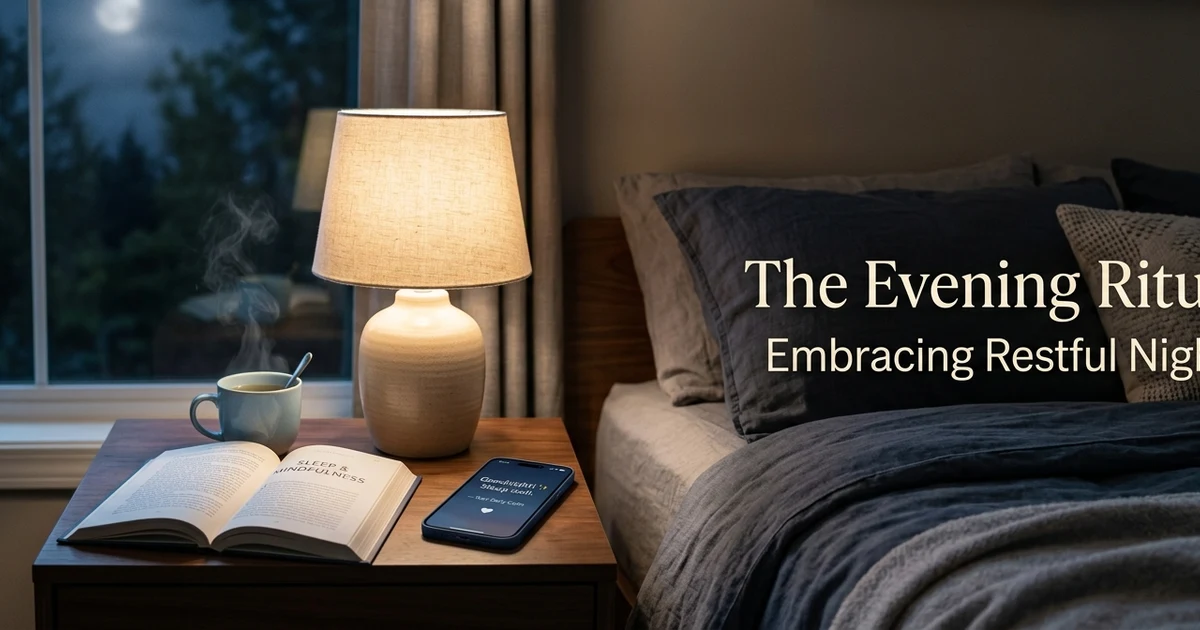
At the end of the day, many people want a kind way to wish someone a good night’s rest without repeating the same words every time. If you are looking for other ways to say sleep well, you have plenty of choices. Some expressions sound warm and caring, while others feel romantic, professional, playful, or casual. Choosing the right phrase depends on your relationship with the other person and the situation.
This guide explains what these alternatives mean, when to use them, and how they sound in everyday conversations across the United States and other English-speaking countries.
Quick Answer
There are many other ways to say sleep well, including Sleep tight, Sweet dreams, Rest well, Have a good night’s sleep, Sleep peacefully, and Get some rest. Each phrase carries a slightly different tone, so the best choice depends on whether you are talking to a friend, family member, partner, coworker, or someone you do not know well.
TL;DR
- Meaning: Different phrases used to wish someone a restful night.
- Tone: Can be caring, friendly, romantic, comforting, or polite.
- Common use: Text messages, phone calls, chats, and in-person conversations.
- Where it appears: Everyday conversations, social media, and bedtime messages.
- Formal or informal: Most are informal, but some work well in professional settings.
What Other Ways to Say Sleep Well Mean
When people say sleep well or use a similar expression, they are wishing someone a peaceful and refreshing night’s sleep. These phrases often show care, kindness, or affection.
Although many alternatives have the same general meaning, they can create different feelings.
For example:
- Some sound warm and comforting.
- Some feel romantic.
- Others are lighthearted and playful.
- A few work well in professional conversations.
Knowing these small differences helps you choose words that fit naturally.
Here are some of the most common alternatives.
| Phrase | Tone | Best Used With |
|---|---|---|
| Sleep tight | Friendly, classic | Friends, family, children |
| Sweet dreams | Caring, affectionate | Family, partner, close friends |
| Rest well | Thoughtful, polite | Anyone |
| Have a good night’s sleep | Neutral | Friends, coworkers |
| Get some rest | Caring | Someone who is tired or sick |
| Rest easy | Comforting | Someone under stress |
| Sleep peacefully | Gentle | Loved ones |
| Pleasant dreams | Traditional | Family, close friends |
| Dream sweetly | Romantic | Partner |
| Take care and rest well | Professional yet warm | Coworkers, clients |
Basic Explanation
Unlike internet slang or texting abbreviations, sleep well is a complete English expression. It simply means that you hope someone enjoys a comfortable, uninterrupted night’s sleep.
Many English speakers change the wording to make the message feel more personal or natural.
For example:
- Rest well sounds thoughtful and calm.
- Sweet dreams adds warmth and affection.
- Get some rest focuses on recovery after a busy or difficult day.
- Sleep tight is an old expression that still sounds friendly in modern English.
These phrases all share the same purpose but create slightly different impressions.
How People Use It in Texting or Online Conversation
People often send bedtime wishes through text messages, messaging apps, and social media. Instead of repeating the same phrase every night, they use different expressions to match the mood of the conversation.
You might see these in:
- Text messages
- WhatsApp chats
- Instagram direct messages
- Snapchat conversations
- Facebook Messenger
- Discord chats
- Evening emails to close coworkers
- Family group chats
Some common examples include:
- Rest well.
- Sleep tight.
- Sweet dreams.
- Hope you sleep peacefully tonight.
- Get some good rest.
- Hope tomorrow is a better day. Sleep well.
- Have a relaxing night.
- Take care and get some rest.
Many people also add emojis such as a moon, stars, sleeping face, or heart when sending bedtime wishes in casual conversations.
In casual texting
These alternatives sound natural:
- Sleep tight
- Sweet dreams
- Rest up
- Catch some good sleep
- Hope you sleep well tonight
In online chats
People often keep the message short.
Examples include:
- Rest well.
- Good night. Sleep tight.
- Hope you get some rest.
- Sleep peacefully.
In professional messages
If you are ending an evening conversation with a coworker or client, choose something polite and simple.
Good choices include:
- Rest well.
- Have a restful evening.
- Hope you have a good night’s sleep.
- Take care and get some rest.
Avoid phrases that sound overly personal, such as Dream sweetly or Sweet dreams, unless you know the person very well.
Tone and Emotional Meaning
Different bedtime wishes communicate different emotions. Even though they all encourage good sleep, the wording changes how your message feels.
Warm and caring
These phrases show kindness without sounding overly personal.
- Rest well
- Sleep well tonight
- Have a peaceful night
- Get some rest
These work well for friends, relatives, coworkers, or neighbors.
Romantic
Couples often choose softer and more affectionate expressions.
Examples include:
- Sweet dreams
- Dream sweetly
- Sleep peacefully, my love
- Can’t wait to talk tomorrow. Sleep well.
These messages create a sense of closeness and affection.
Friendly
Friends usually prefer relaxed and casual wording.
Examples include:
- Sleep tight
- Catch some sleep
- Hope you get plenty of rest
- See you tomorrow. Sleep well.
Comforting
If someone has had a stressful day or is not feeling well, gentle expressions can provide reassurance.
Examples include:
- Rest easy.
- Get some well-deserved rest.
- Hope tonight brings you peaceful sleep.
- Take care of yourself and rest well.
Professional
Some bedtime wishes also fit workplace conversations.
Examples include:
- Rest well.
- Have a restful evening.
- Take care.
- Hope you have a relaxing evening.
These sound polite without becoming too personal.
Common Situations Where These Phrases Appear
Different alternatives fit different situations. Here are some common examples.
Talking to a close friend
- Sleep tight.
- Get some rest.
- Hope you sleep well tonight.
Texting your partner
- Sweet dreams.
- Dream sweetly.
- Sleep peacefully.
- Looking forward to talking tomorrow. Rest well.
Sending a message to a family member
- Rest well.
- Sleep tight.
- Pleasant dreams.
- Hope you wake up feeling refreshed.
Speaking to someone who is sick
- Get plenty of rest.
- Hope you recover quickly. Rest well.
- Sleep peacefully tonight.
- Take care of yourself.
Ending a conversation with a coworker
- Have a restful evening.
- Rest well.
- Take care.
- Hope tomorrow goes well for you.
Comforting someone after a difficult day
- I hope you can relax tonight.
- Rest easy.
- Get some well-deserved sleep.
- Wishing you a peaceful night.
Each of these alternatives feels natural in everyday English. The best choice depends less on grammar and more on the relationship, the setting, and the emotional tone you want your message to convey.
Examples in Real Conversations
The best way to learn these expressions is by seeing how they sound in everyday conversations. Here are realistic examples that feel natural for people in the United States, Canada, the UK, Australia, and other English-speaking countries.
Situation: Ending a conversation with a friend
Example
Alex: I have an early meeting tomorrow.
Jordan: Then get some rest. Talk to you tomorrow.
Meaning
A friendly way to encourage someone to sleep because they have a busy day ahead.
Situation: Texting your partner before bed
Example
Emma: I’m heading to bed now.
Liam: Sweet dreams. I’ll text you in the morning.
Meaning
A warm and affectionate bedtime message.
Situation: A family member feeling tired
Example
Mom: You look exhausted.
Daughter: It’s been a long day.
Mom: Rest well. Tomorrow is a new day.
Meaning
A caring message that shows concern.
Situation: Someone recovering from illness
Example
Chris: I’m still not feeling my best.
Taylor: I hope you get plenty of rest tonight. Feel better soon.
Meaning
The focus is on recovery rather than simply going to sleep.
Situation: Ending a work conversation
Example
Manager: Thanks for finishing the report today.
Employee: You’re welcome.
Manager: Have a restful evening. We’ll continue tomorrow.
Meaning
Professional, polite, and appropriate for the workplace.
Situation: Someone had a stressful day
Example
Friend: Today was really overwhelming.
You: Rest easy. Tomorrow is another chance to start fresh.
Meaning
Shows empathy and emotional support.
Situation: Saying goodnight to a child
Example
Parent: Sleep tight. I’ll see you in the morning.
Child: Good night.
Meaning
A classic bedtime expression that feels comforting.
Situation: Group chat before everyone signs off
Example
Sam: I’m calling it a night.
Jordan: Same here.
Avery: Everyone get some rest. See you tomorrow.
Meaning
A casual and friendly way to end the conversation.
Similar Terms and Related Phrases
Many bedtime expressions have similar meanings, but each creates a different feeling. Understanding these differences helps you choose the right one.
| Phrase | Meaning | Tone | Best For |
|---|---|---|---|
| Sleep well | Wish someone a good night’s sleep | Neutral | Almost anyone |
| Sleep tight | Sleep comfortably | Friendly | Friends, family, children |
| Sweet dreams | Hope they have pleasant dreams | Affectionate | Family, partner, close friends |
| Rest well | Focus on relaxation and recovery | Thoughtful | Friends, coworkers, family |
| Get some rest | Encourage recovery after a tiring day | Caring | Anyone who seems tired |
| Rest easy | Feel calm and relaxed | Comforting | Someone feeling stressed |
| Have a good night’s sleep | Straightforward bedtime wish | Neutral | General use |
| Sleep peacefully | Wish for calm and uninterrupted sleep | Gentle | Loved ones |
| Pleasant dreams | Traditional bedtime wish | Warm | Family and close friends |
| Have a restful night | Focus on relaxation | Polite | Personal and professional settings |
Sleep well vs Sleep tight
Both wish someone a good night’s sleep.
Sleep tight sounds more traditional and slightly more affectionate.
On the other hand, Sleep well feels neutral and works in almost every situation.
Sleep well vs Sweet dreams
Sleep well focuses on getting good rest.
Sweet dreams specifically wishes someone pleasant dreams and usually feels more personal.
Sleep well vs Get some rest
Sleep well simply wishes a peaceful night.
Get some rest often suggests the person looks tired, busy, or unwell.
Sleep well vs Rest well
Rest well can include sleep, but it also emphasizes relaxation and recovery.
It works especially well after a stressful day or illness.
When You Should Use These Phrases
Bedtime wishes can strengthen relationships when used naturally.
Good situations include:
- Ending a text conversation at night.
- Saying goodbye after an evening phone call.
- Wishing someone well before an early morning.
- Comforting a stressed friend.
- Checking on someone who is sick.
- Saying goodnight to family members.
- Ending an evening work chat politely.
- Sending a thoughtful message to your partner.
Different relationships call for different wording.
For example:
Friends
- Sleep tight.
- Rest well.
- Get some sleep.
Parents and children
- Sweet dreams.
- Sleep tight.
- Pleasant dreams.
Partner
- Sweet dreams.
- Sleep peacefully.
- Dream sweetly.
- I hope you sleep well tonight.
Coworkers
- Rest well.
- Have a restful evening.
- Take care.
Someone recovering from illness
- Get plenty of rest.
- Rest well.
- Wishing you a peaceful night.
When You Should Avoid Certain Expressions
Not every bedtime phrase fits every situation.
Consider avoiding some expressions in these cases.
Professional relationships
Avoid overly affectionate phrases such as:
- Sweet dreams
- Dream sweetly
- Sleep peacefully, my dear
These can sound too personal in a workplace.
Choose instead:
- Rest well.
- Have a restful evening.
- Take care.
Formal business emails
Most business emails end with:
- Best regards
- Have a good evening
- Take care
A bedtime wish is usually unnecessary unless you already have a friendly relationship.
Someone you barely know
Expressions that sound intimate may feel awkward.
Instead of:
- Sweet dreams.
Choose:
- Have a good night.
- Rest well.
During daytime conversations
These phrases naturally belong at the end of the day.
Using them during the morning or afternoon usually sounds strange unless someone is going to sleep because of shift work or illness.
Is It Formal or Informal?
Most bedtime wishes are informal because people usually use them with family, friends, or loved ones.
Here is a simple guide.
| Expression | Formal | Informal |
|---|---|---|
| Sleep well | Sometimes | Yes |
| Rest well | Yes | Yes |
| Have a restful evening | Yes | Yes |
| Get some rest | Sometimes | Yes |
| Sleep tight | No | Yes |
| Sweet dreams | No | Yes |
| Dream sweetly | No | Yes |
| Sleep peacefully | Sometimes | Yes |
For professional communication, simple expressions such as Rest well or Have a restful evening are the safest choices.
Romantic or playful expressions should stay in personal conversations.
Common Misunderstandings
Although bedtime wishes seem simple, people can sometimes misunderstand the tone behind them.
Thinking every phrase means the same thing
Most alternatives express the same basic idea, but they do not always sound the same.
For example:
- Sleep tight sounds warm and traditional.
- Sweet dreams feels more affectionate.
- Get some rest often suggests the person has been tired, stressed, or unwell.
- Rest easy emphasizes comfort and peace of mind.
Choosing the right phrase helps your message match the situation.
Assuming Sweet dreams is always romantic
Many people use Sweet dreams with a partner, but it is not limited to romantic relationships.
Parents often say it to children.
Friends and family members also use it naturally.
The relationship and context determine how it is understood.
Thinking Sleep tight refers to sleeping physically tight
This is a common misunderstanding among English learners.
Today, native speakers simply understand Sleep tight as a traditional way of wishing someone a good night’s sleep. Most people do not think about the original wording.
Believing bedtime wishes are inappropriate in every workplace
Some expressions are perfectly acceptable in friendly workplace conversations.
Examples include:
- Rest well.
- Have a restful evening.
- Take care.
More affectionate phrases should generally stay in personal conversations.
USA and Tier 1 Country Usage
Across the United States, Canada, the United Kingdom, Australia, and New Zealand, these bedtime expressions are widely understood.
There are slight differences in popularity, but all of the following sound natural to native English speakers.
United States
Americans commonly say:
- Sleep well
- Sleep tight
- Sweet dreams
- Get some rest
- Rest well
These expressions appear in text messages, phone calls, and face-to-face conversations.
Canada
Canadian English uses the same bedtime phrases as American English.
Rest well and Get some rest are especially common when speaking to someone who has been busy or is recovering from illness.
United Kingdom
People in the UK frequently use:
- Sleep well
- Sleep tight
- Night night
- Sweet dreams
Night night is especially common among parents, family members, and close friends.
Australia and New Zealand
Australians and New Zealanders commonly use:
- Sleep well
- Sleep tight
- Rest up
- Get some rest
The wording tends to be relaxed and conversational.
Overall, these expressions are part of everyday English throughout major English-speaking countries. None of them would sound unusual to native speakers when used in the right context.
Quick Reference Table
| Context | What It Means | Tone | Best Use | Avoid If |
|---|---|---|---|---|
| Friend | Hope you sleep well | Friendly | Texting before bed | Rarely a problem |
| Partner | Caring bedtime wish | Affectionate | Evening messages | Professional settings |
| Family | Peaceful night’s sleep | Warm | Daily conversations | None |
| Child | Comforting bedtime phrase | Gentle | Bedtime routine | Formal settings |
| Coworker | Polite evening farewell | Professional | Work chats | Using romantic wording |
| Someone who is sick | Wish for recovery through rest | Caring | Supportive messages | Making jokes about their condition |
| Social media comment | Friendly goodnight message | Casual | Personal interactions | Business accounts |
| Professional email | Polite closing if appropriate | Neutral | Friendly workplace communication | Formal business correspondence requiring standard sign-offs |
Conclusion
There are many other ways to say sleep well, and each one adds a slightly different feeling to your message. Whether you choose Rest well, Sweet dreams, Sleep tight, Get some rest, or Have a restful evening, the best option depends on who you are talking to and the situation.
For everyday conversations, simple and sincere wording usually sounds the most natural. Friends may appreciate casual expressions, family members often enjoy warm bedtime wishes, and coworkers generally respond best to polite, neutral language. By matching your words to the relationship and the context, you can end conversations with kindness and leave a positive impression.
FAQs
What are other ways to say sleep well in a text?
Some common alternatives include:
- Sleep tight
- Sweet dreams
- Rest well
- Get some rest
- Sleep peacefully
- Have a good night’s sleep
- Rest easy
These all work well in casual text messages.
What does sleep well mean in texting?
In texting, sleep well is simply a kind way to wish someone a restful and peaceful night before they go to bed.
Is saying sleep well rude?
No. It is considered polite, thoughtful, and friendly. The phrase is appropriate for most personal conversations and can even work in some workplace chats.
Can I use Sweet dreams with friends?
Yes. Many people use Sweet dreams with close friends and family members. It can also sound romantic when used between partners, so context matters.
Which bedtime phrase is best for professional messages?
Rest well and Have a restful evening are the safest choices because they sound polite without being overly personal.
What is the difference between Sleep well and Get some rest?
Sleep well is a general wish for a good night’s sleep. Get some rest often suggests that the person has been working hard, feels tired, or is recovering from illness.
Is Sleep tight old-fashioned?
It is a traditional English expression, but it is still widely used today. It remains a warm and familiar way to wish someone a good night’s sleep, especially among family members and close friends.