
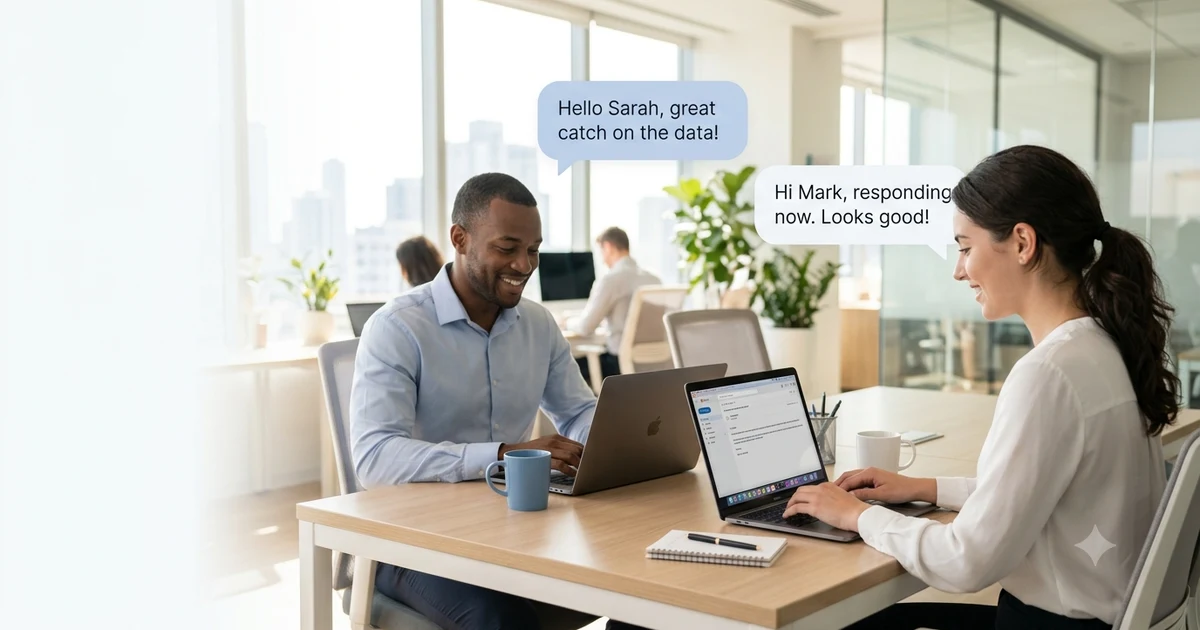
Many emails and messages begin with I hope you are doing well. While it is polite, using the same greeting every time can make your writing feel repetitive. Whether you are emailing a coworker, contacting a client, reaching out to a recruiter, or sending a friendly note, there are many natural alternatives that fit different situations.
This guide explains other ways to say I hope you are doing well, what each option means, when to use it, and how to choose the right one for professional and personal communication.
Quick Answer
Other ways to say I hope you are doing well include I hope all is well, I hope everything is going well, I trust you are doing well, I hope you have been keeping well, and I hope things are going smoothly. The best choice depends on your relationship with the recipient and whether your message is formal, professional, or casual.
TL;DR
- Meaning: A polite way to express concern for someone’s well-being before starting a conversation.
- Tone: Friendly, respectful, and thoughtful.
- Common use: Emails, business messages, personal notes, and follow-ups.
- Where it appears: Professional communication, casual chats, and online messages.
- Formal or informal: Works in both, but many alternatives better match specific situations.
What Other Ways to Say I Hope You Are Doing Well Mean
The phrase I hope you are doing well is a common greeting used before the main purpose of a message. It helps create a warm and polite opening while showing that you care about the other person’s well-being.
Although it remains appropriate in many situations, people often look for alternatives because they want their writing to sound more natural, personal, or professional.
Depending on the situation, another greeting may sound more genuine and fit the conversation better.
Basic Explanation
Unlike abbreviations or internet slang, I hope you are doing well is a complete sentence rather than a shortened expression.
People use it to:
- Begin an email politely.
- Show courtesy before making a request.
- Reconnect after some time.
- Start conversations on a positive note.
- Make professional messages feel more personal.
The phrase does not always expect a reply about someone’s health. In most cases, it simply serves as a friendly introduction.
How People Use It in Texting and Online Conversations
While this greeting appears most often in emails, people also use similar expressions in text messages, workplace chats, and online conversations.
For example:
- In business emails to clients or colleagues.
- In LinkedIn messages when making a new connection.
- In follow-up emails after interviews.
- In messages to teachers or professors.
- In customer service communication.
- In friendly texts after not talking for a while.
Shorter alternatives are often more common in texting because they sound relaxed and conversational.
Examples include:
- Hope you’re doing well.
- Hope all is well.
- Hope everything’s going well.
- Hope you’ve been well.
- Hope your week is going well.
These versions feel natural while keeping the message warm.
Tone and Emotional Meaning
This greeting carries a positive and respectful tone. It communicates kindness without becoming overly personal.
The exact feeling changes depending on the wording you choose.
| Alternative | Tone | Best For |
|---|---|---|
| I hope all is well | Professional | Business emails |
| I trust you are doing well | Formal | Clients and executives |
| Hope you’re doing well | Friendly | Coworkers and acquaintances |
| I hope everything is going well | Warm | General communication |
| Hope you’ve been keeping well | Caring | Someone you have not spoken with recently |
| I hope life has been treating you well | Personal | Friends and long-term contacts |
Choosing the right variation helps your message sound more natural for the relationship.
Common Situations Where These Greetings Appear
Different greetings work better in different situations.
Professional emails
- Contacting clients.
- Sending project updates.
- Following up after meetings.
- Introducing yourself.
- Networking.
Workplace communication
- Messaging coworkers.
- Speaking with managers.
- Team updates.
- Internal announcements.
Academic communication
- Emails to professors.
- Contacting advisors.
- Scholarship applications.
- University administration.
Personal communication
- Catching up with friends.
- Reaching out to family.
- Checking in after a long time.
- Sending thoughtful messages.
Examples in Real Conversations
Situation
Emailing a client after a meeting.
Example
Hope everything is going well. I wanted to follow up regarding our discussion from last week.
Meaning
A polite and professional opening before continuing with business.
Situation
Writing to a coworker.
Example
Hope you’re having a great week. Could you send me the updated report when you have a chance?
Meaning
Friendly, approachable, and suitable for workplace communication.
Situation
Reconnecting with an old friend.
Example
I hope life has been treating you well. It’s been a while since we last talked.
Meaning
Shows genuine interest before restarting the conversation.
Situation
Contacting a professor.
Example
I hope you have been doing well. I have a question about next week’s assignment.
Meaning
Respectful and appropriate for academic communication.
Situation
Sending a LinkedIn message.
Example
I hope all is well. I recently came across your profile and wanted to connect regarding your work in project management.
Meaning
Professional, courteous, and suitable for networking.
Similar Terms and Related Phrases
Here’s a more readable and polished version of that section. The table uses clearer wording, avoids repetition, and improves scanability.
Many greetings express the same basic idea, but each creates a slightly different impression. The best choice depends on who you are writing to, how well you know them, and whether the message is formal or casual.
| Phrase | Best For | Tone | How It Differs |
|---|---|---|---|
| I hope all is well | Business emails, clients | Professional | A short, polished greeting that works in almost any professional setting. |
| I trust you are doing well | Formal correspondence | Formal | More respectful and traditional, often used with senior professionals or new contacts. |
| I hope everything is going well | General communication | Warm | Sounds friendly and conversational while remaining professional. |
| Hope you’re doing well | Coworkers and acquaintances | Casual | A relaxed version that feels natural in everyday workplace communication. |
| I hope you’ve been well | Reconnecting after some time | Friendly | Acknowledges that you have not spoken recently without sounding overly personal. |
| I hope your week is going well | Ongoing conversations | Professional | Adds a timely and thoughtful touch, making the greeting feel more personal. |
| I hope things are going smoothly | Work-related updates | Professional | Fits project discussions, business updates, and workplace conversations. |
| I hope life has been treating you well | Friends and long-term contacts | Warm | More personal and heartfelt, making it ideal for reconnecting. |
| I hope you’re having a good day | Everyday messages | Friendly | Focuses on the present moment and works well in casual conversations. |
| I hope you’re keeping well | UK and Commonwealth English | Polite | More common in British and Commonwealth English than in American English. |
When You Should Use These Greetings
These opening phrases work best when you want your message to sound polite without jumping straight into the main topic.
Good situations include:
- Writing a professional email.
- Contacting a client or customer.
- Following up after a meeting.
- Sending a networking message.
- Reaching out after a long period of no contact.
- Starting a conversation with someone you do not know well.
- Checking in with friends or family.
Adding a greeting can make your message feel more considerate, especially when you are asking for help or requesting information.
When You Should Avoid Them
Although these greetings are polite, they are not necessary in every message.
Consider skipping them when:
- You are having an ongoing conversation where several emails have already been exchanged.
- Your message is urgent and needs immediate attention.
- You are sending a very short reply.
- You communicate with the same coworker multiple times each day.
- You want to keep the message brief.
Using the same greeting in every email can also make your writing sound repetitive. Rotating between different expressions helps your communication feel more natural.
Are These Greetings Formal or Informal?
Most alternatives can work in both professional and personal communication, but some are better suited to certain situations.
Formal options
- I trust you are doing well.
- I hope all is well.
- I hope everything is going well.
- I hope you have been keeping well.
These fit business emails, academic communication, and formal correspondence.
Informal options
- Hope you’re doing well.
- Hope your week is going well.
- Hope you’re having a good day.
- Hope things are going well.
These are ideal for coworkers, friends, classmates, and casual online conversations.
Common Misunderstandings
Some people believe these greetings always ask about someone’s health. In reality, they are usually polite conversation starters rather than genuine health questions.
Another misunderstanding is that every email must begin this way. Many professional writers choose different openings or start directly with the purpose of the message, especially when communicating regularly.
Some also think the phrase sounds outdated. While it remains acceptable, using different greetings can make your writing sound fresher and more personal.
USA and Tier 1 Country Usage
People in the United States, Canada, the United Kingdom, Australia, and other English-speaking countries commonly use these greetings in professional and personal communication.
Business emails often include:
- I hope all is well.
- I hope you’re doing well.
- I trust you are doing well.
In casual communication, shorter versions are more common.
For example:
- Hope you’re doing well.
- Hope you’re having a good week.
- Hope things are going well.
British English sometimes favors expressions such as I hope you’re keeping well, while American English more frequently uses Hope you’re doing well or Hope all is well. Both styles are widely understood across English-speaking countries.
Quick Reference Table
| Context | What It Means | Tone | Best Use | Avoid If |
|---|---|---|---|---|
| Business email | Polite greeting before the main message | Professional | Clients and partners | Very urgent emails |
| Job application | Respectful opening | Professional | Recruiters and hiring managers | Follow-up replies in long email chains |
| Workplace chat | Friendly check-in | Casual | Coworkers | Fast back-and-forth conversations |
| Academic email | Respectful introduction | Formal | Professors and instructors | Simple acknowledgments |
| Networking message | Warm opening | Professional | LinkedIn and networking | Very short connection requests |
| Personal message | Shows care and kindness | Friendly | Friends and family | Ongoing text conversations |
Conclusion
Using other ways to say I hope you are doing well helps your emails and messages feel more natural while keeping them polite. Whether you choose I hope all is well for a client, Hope you’re doing well for a coworker, or I hope life has been treating you well for a friend, the best greeting depends on your relationship and the situation. Instead of relying on the same opening every time, choose the one that matches your message and your audience. A small change can make your communication sound more genuine, thoughtful, and engaging.
FAQs
What are other ways to say I hope you are doing well?
Some common alternatives include:
- I hope all is well.
- I hope everything is going well.
- I trust you are doing well.
- Hope you’re doing well.
- I hope you’ve been well.
- I hope your week is going well.
- I hope things are going smoothly.
- I hope life has been treating you well.
Each one works best in different personal or professional situations.
Is I hope you are doing well too formal?
Not necessarily. It is a neutral and polite greeting that works in both formal and informal communication. However, if you use it in every email, it may start to sound repetitive. Switching to different greetings can make your messages feel more natural.
Can I use these alternatives in a professional email?
Yes. Many of these greetings are suitable for business communication. Professional choices include:
- I hope all is well.
- I trust you are doing well.
- I hope everything is going well.
- I hope your week is going well.
These greetings create a respectful tone without sounding overly formal.
Which alternative sounds the most natural?
Hope you’re doing well is one of the most natural and commonly used options. It feels friendly while remaining appropriate for coworkers, clients you know well, and everyday conversations.
Should I always start an email with a greeting like this?
No. While these greetings are polite, they are optional. If you are replying to an ongoing email thread or sending a time-sensitive message, you can start with the main point instead.
Is I hope you are doing well appropriate for friends?
Yes. It works well for friends, especially if you have not spoken for a while. For close friends, you can choose more relaxed greetings such as Hope you’re having a good day or Hope everything’s been going well.
What is the difference between I hope you are doing well and I hope all is well?
Both greetings express kindness and concern, but they have slightly different meanings.
- I hope you are doing well focuses on the person.
- I hope all is well refers more broadly to the person’s life, work, or current situation.
Both are polite and commonly used in emails and messages