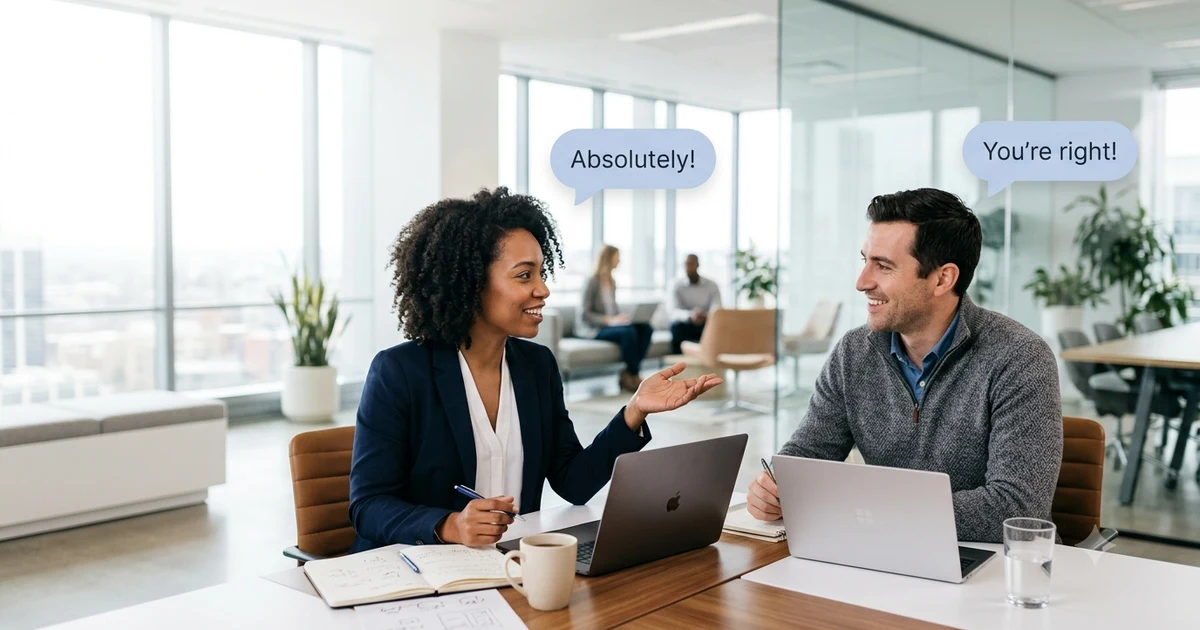
Finding other ways to say I agree can help you communicate more naturally in conversations, emails, meetings, and online chats. While I agree works in almost any situation, using different expressions lets you match your tone to the context. Some alternatives sound professional, others feel casual, and a few show stronger enthusiasm or complete support.
Quick Answer
Other ways to say I agree include I completely agree, Absolutely, You’re right, I couldn’t agree more, That’s true, Exactly, I think so too, and We are on the same page. The best choice depends on whether you’re speaking casually, writing professionally, or responding in an online conversation.
TL;DR
- Meaning: Different phrases that express agreement with someone.
- Tone: Can be casual, professional, polite, enthusiastic, or formal.
- Common use: Conversations, emails, meetings, text messages, and social media.
- Where it appears: Everyday speech, workplace communication, online chats, and discussions.
- Formal or informal: Some expressions work in business settings, while others fit casual conversations.
What Other Ways to Say I Agree Means
Using different ways to express agreement simply means choosing words that fit the situation instead of repeating I agree every time. English offers many alternatives that vary in tone and formality.
For example:
- I completely agree shows strong support.
- You’re absolutely right sounds confident and friendly.
- I think so too expresses a softer level of agreement.
- We are on the same page works well in professional discussions.
- Exactly shows quick and enthusiastic agreement.
Choosing the right phrase helps your response sound more natural and keeps conversations engaging.
Basic Explanation
Agreement is one of the most common parts of everyday communication. Whether you’re talking with friends, replying to a coworker, or commenting online, you often want to show that you share the same opinion.
Here are some common alternatives and when to use them.
| Phrase | Best For | Tone |
|---|---|---|
| I completely agree | Formal and casual | Strong |
| Absolutely | Casual conversations | Confident |
| Exactly | Quick replies | Friendly |
| You’re right | Everyday conversations | Polite |
| I couldn’t agree more | Strong agreement | Warm |
| That’s true | General discussions | Neutral |
| I think so too | Casual chats | Soft |
| We are on the same page | Workplace communication | Professional |
| I share your opinion | Business or academic writing | Formal |
| That’s a good point | Meetings and discussions | Respectful |
Each expression communicates agreement in a slightly different way, making it easier to match your message to the situation.
How People Use It in Texting or Online Conversation
In texting and social media, people usually choose shorter expressions because they are quick to type and easy to understand.
Common examples include:
- Exactly
- Totally
- Same
- Absolutely
- For sure
- You’re right
- True
- Agreed
- 100 percent
- Couldn’t agree more
You might see conversations like this.
Situation
Two friends discussing a movie.
Example
Person A: That was the best movie released this year.
Person B: Absolutely. I’d watch it again.
Meaning
Person B fully agrees with the opinion.
Situation
A group chat about weekend plans.
Example
Person A: We should leave early to avoid traffic.
Person B: Agreed. That will save us time.
Meaning
Person B supports the suggestion.
On platforms like Instagram, TikTok, Reddit, Facebook, and X, short replies such as Exactly, Facts, True, and Same are common because they keep conversations moving quickly.
Tone and Emotional Meaning
Different phrases express different levels of agreement. The words you choose can make your response sound enthusiastic, thoughtful, supportive, or professional.
Strong agreement
Use these when you fully support someone’s opinion.
- I completely agree
- I couldn’t agree more
- Absolutely
- Without a doubt
- You’re absolutely right
Friendly agreement
These work well in everyday conversations.
- Exactly
- That’s true
- I think so too
- Same here
- You’re right
Professional agreement
These are suitable for meetings, presentations, and emails.
- I agree with your assessment.
- I share your perspective.
- We are on the same page.
- That makes sense.
- I support this approach.
Careful agreement
Sometimes you agree with only part of what someone says.
- I agree to some extent.
- You make a good point.
- I can see your perspective.
- That’s fair.
- I agree with part of your argument.
Using the right tone helps your response feel genuine and appropriate for the conversation.
Common Situations Where It Appears
People use agreement phrases in many everyday situations, including:
- Responding during workplace meetings.
- Replying to emails from coworkers or clients.
- Texting friends or family.
- Commenting on social media posts.
- Joining classroom discussions.
- Talking during interviews.
- Participating in online forums.
- Discussing plans with a partner.
- Giving feedback during team projects.
- Supporting someone’s opinion during a debate.
Each situation may call for a different level of formality, so having several alternatives makes communication more effective.
Examples in Real Conversations
Situation
Coworkers discussing a project deadline.
Example
Manager: Finishing the research first will make the rest of the project easier.
Employee: I completely agree. It will also reduce mistakes later.
Meaning
The employee strongly supports the manager’s plan.
Situation
Friends planning a vacation.
Example
Friend: We should book our flights this week.
You: That’s a good point. Prices could increase soon.
Meaning
You agree while adding a helpful reason.
Situation
Family discussing dinner.
Example
Parent: Let’s cook at home tonight.
Child: Sounds good to me.
Meaning
The child agrees in a relaxed and natural way.
Situation
A team meeting.
Example
Colleague: Weekly updates will help everyone stay informed.
You: We are on the same page. Regular updates will improve communication.
Meaning
The response shows agreement in a professional setting.
Situation
Text conversation.
Example
Friend: That new café has the best coffee in town.
You: Totally. I’ve been there three times already.
Meaning
The reply expresses enthusiastic agreement in casual texting.
Situation
Online discussion.
Example
User: Reading before bed helps me sleep better.
Reply: I couldn’t agree more. It has become part of my nightly routine.
Meaning
The speaker strongly agrees while sharing a personal experience.
Similar Terms or Related Phrases
Many expressions communicate agreement, but each has a slightly different meaning or level of enthusiasm.
| Phrase | Meaning | Best Used When |
|---|---|---|
| I agree | Standard agreement | Almost any situation |
| Absolutely | Strong support | Casual conversations and meetings |
| Exactly | You fully share the same opinion | Texting and discussions |
| I couldn’t agree more | Complete agreement | Friendly or professional conversations |
| You’re right | Acknowledging someone’s point | Everyday conversations |
| That’s true | Confirming a statement | General discussions |
| I think so too | Gentle agreement | Casual chats |
| Agreed | Brief confirmation | Emails, chats, and meetings |
| We are on the same page | Shared understanding | Workplace communication |
| I share your opinion | Formal agreement | Professional writing |
Choosing the right expression depends on your audience and the tone you want to create.
When You Should Use It
Different alternatives fit different situations.
Use stronger phrases when:
- You fully support an idea.
- You want to show confidence.
- You want to encourage the speaker.
Use softer expressions when:
- You partly agree.
- You want to sound thoughtful.
- The topic is sensitive.
Professional settings often benefit from phrases such as:
- We are on the same page.
- I agree with your recommendation.
- I support this approach.
- That makes sense.
Casual conversations work well with:
- Totally.
- Exactly.
- Same here.
- You’re right.
- Absolutely.
When You Should Avoid It
Although agreeing is positive, some expressions may not fit every situation.
Avoid very casual replies when:
- Writing business emails.
- Speaking with senior management.
- Preparing academic assignments.
- Communicating with clients.
For example, replies such as Totally, Same, or Yep may sound too informal in professional communication.
Also avoid agreeing automatically if you have concerns. Offering respectful feedback often leads to a better discussion.
Instead of saying:
Absolutely.
You could say:
I agree with most of your idea, although I think we should also consider another option.
This keeps the conversation balanced and constructive.
Is It Formal or Informal?
The answer depends on the phrase you choose.
Formal
Suitable for business emails, meetings, reports, and presentations.
- I agree with your assessment.
- I share your perspective.
- I support this proposal.
- We are on the same page.
- That seems reasonable.
Informal
Best for texting, social media, and conversations with friends.
- Totally.
- Exactly.
- Same.
- Absolutely.
- You’re right.
- True.
- For sure.
Using the appropriate level of formality helps your message sound natural and professional.
Common Misunderstandings
Agreement phrases can sometimes send a different message than you intended.
For example:
Exactly may sound impatient if used without additional context.
Absolutely can sound overly enthusiastic if the topic is serious.
Same simply shows shared experience rather than thoughtful agreement.
Agreed often sounds final, which may unintentionally end the discussion.
Adding a short explanation can make your response clearer.
Instead of:
Agreed.
You might say:
Agreed. I think this option gives us the best result.
That small addition makes the conversation feel more engaging.
USA and Tier 1 Country Usage
People in the United States, Canada, the United Kingdom, Australia, and other English-speaking countries use many of these expressions every day.
Common choices include:
- Absolutely
- Exactly
- You’re right
- I couldn’t agree more
- Agreed
- Totally
- That’s true
Professional workplaces commonly use:
- I agree with your recommendation.
- We are on the same page.
- I support this decision.
- That aligns with my thinking.
On social media and in casual texting, shorter replies remain the most popular because they are quick and easy to read.
Quick Reference Table
| Context | What It Means | Tone | Best Use | Avoid If |
|---|---|---|---|---|
| Business meeting | Professional agreement | Formal | Meetings and presentations | Casual chats only |
| Supporting an idea | Professional | Workplace communication | Informal texting | |
| Text message | Sharing the same opinion | Casual | Friends and family | Formal documents |
| Social media comment | Agreeing with a post | Friendly | Online discussions | Academic writing |
| Classroom discussion | Supporting another viewpoint | Respectful | School and university | Very casual slang |
| Debate | Accepting part or all of an argument | Neutral | Thoughtful discussion | Emotional disagreements |
Conclusion
Learning other ways to say I agree helps you communicate more naturally in every situation. Some expressions sound warm and enthusiastic, while others fit professional meetings or polite discussions. Choosing the right phrase shows confidence, improves conversations, and helps your message match the setting. Whether you’re sending a text, writing an email, joining a meeting, or commenting online, using a variety of agreement phrases keeps your communication clear and engaging.
Frequently Asked Questions
What are other ways to say I agree?
Some of the most common alternatives include Absolutely, Exactly, You’re right, I couldn’t agree more, That’s true, Agreed, I think so too, and We are on the same page.
What does I agree mean in text?
In texting, it simply means you share the same opinion or support what another person has said. Many people also use shorter replies such as Exactly, Totally, or Agreed.
Is saying I agree rude?
No. It is generally polite and neutral. Your tone and the surrounding conversation determine how it is received.
Can I use these phrases in a professional message?
Yes. Professional alternatives include I agree with your assessment, We are on the same page, I support this approach, and That makes sense.
What is the difference between I agree and Absolutely?
I agree is a neutral statement of agreement. Absolutely shows stronger enthusiasm and confidence.
Which phrase sounds the most professional?
Expressions such as I agree with your recommendation, We are on the same page, and I share your perspective are among the most professional choices.
Which alternatives work best in casual texting?
Popular casual options include Totally, Exactly, Same, True, You’re right, For sure, and Absolutely.