
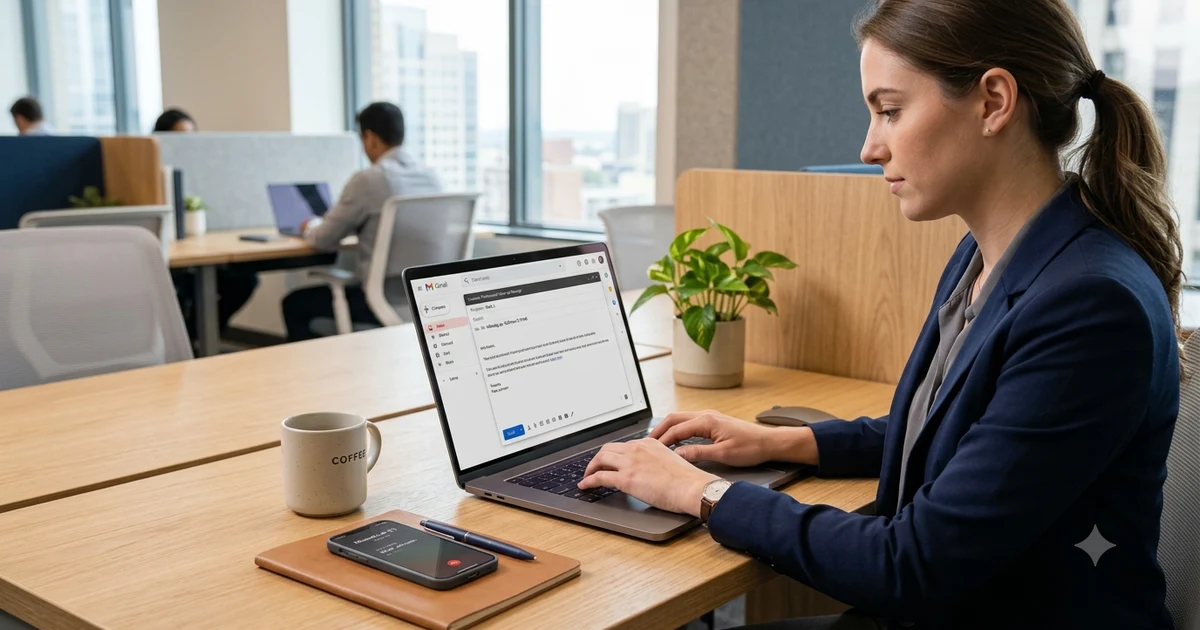
Missing a phone call happens to everyone. Whether you were in a meeting, driving, or simply away from your phone, responding politely can help maintain a professional relationship. If you’re looking for other ways to say sorry I missed your call professionally, there are many alternatives that sound courteous without repeating the same phrase every time.
This guide explains the best professional alternatives, when to use them, and how to choose the right wording for emails, text messages, voicemail replies, and workplace communication.
Quick Answer
Instead of saying sorry I missed your call, you can use polite alternatives such as:
- I apologize for missing your call.
- I wasn’t able to answer your call earlier.
- Thank you for your patience.
- I just noticed your call.
- I regret missing your call.
- I was unavailable when you called.
- Thank you for reaching out.
- I appreciate your call.
These expressions sound professional, respectful, and appropriate for business communication.
TL;DR
- Meaning: A polite way to acknowledge that you were unable to answer a phone call.
- Tone: Professional, respectful, and courteous.
- Common use: Business emails, workplace chats, voicemail replies, and client communication.
- Best for: Colleagues, managers, clients, customers, and professional contacts.
- Formality: Most alternatives are suitable for professional settings.
What Does Sorry I Missed Your Call Mean?
The phrase simply lets someone know that you noticed they called but were unable to answer at the time. It also shows that you recognize their effort to contact you and are ready to continue the conversation.
Although the phrase is polite, repeating it in every email or message can sound routine. Choosing different expressions helps your communication feel more natural and thoughtful.
Why Use a Different Phrase?
Changing your wording offers several benefits:
- It sounds more natural.
- It avoids repetition.
- It matches the situation more accurately.
- It reflects a professional communication style.
- It can shift the focus from apologizing to helping the other person.
For example, instead of emphasizing the missed call, you can thank the other person for their patience or invite them to continue the conversation.
35 Professional Alternatives to Sorry I Missed Your Call
1. I Apologize for Missing Your Call
One of the most formal and respectful alternatives.
Best for:
- Clients
- Executives
- Formal emails
Example:
I apologize for missing your call earlier. Please let me know a convenient time to speak.
2. I Was Unable to Answer Your Call
This sounds professional without over-apologizing.
Best for:
- Workplace emails
- Customer communication
- Business messages
Example:
I was unable to answer your call this afternoon. I’m available now if you’d like to reconnect.
3. Thank You for Your Patience
Instead of focusing on your mistake, this thanks the other person.
Best for:
- Customer service
- Project communication
- Managers
Example:
Thank you for your patience. I just saw your missed call and am available to help.
4. I Just Noticed Your Call
Simple, honest, and conversational.
Best for:
- Coworkers
- Internal teams
- Business texting
Example:
I just noticed your call. Let me know if you’re still available to talk.
5. Thank You for Reaching Out
A warm alternative that shifts attention toward appreciation.
Best for:
- Clients
- Prospects
- Networking
Example:
Thank you for reaching out. I wasn’t able to answer earlier, but I’m happy to connect now.
6. I Was Away From My Phone
Useful when your absence is relevant but doesn’t require a detailed explanation.
Example:
I was away from my phone earlier. Please let me know if you still need anything.
7. I Was Unavailable When You Called
Professional and neutral.
Best for:
- Formal business communication
- Office settings
Example:
I was unavailable when you called. I’m free now if you’d like to continue our discussion.
8. I Appreciate Your Call
Shows gratitude while remaining professional.
Example:
I appreciate your call. Please let me know when it would be convenient to reconnect.
9. I Regret Missing Your Call
A slightly more formal expression.
Best for:
- Important clients
- Executive communication
Example:
I regret missing your call this morning. Please let me know a suitable time to speak.
10. Thank You for Calling
A friendly and professional acknowledgment.
Example:
Thank you for calling. I’m available now if you’d still like to talk.
11. I Was in Another Meeting
Appropriate when the reason matters.
Example:
I was in another meeting when you called. I’m available now if you’d like to reconnect.
12. I Couldn’t Get to My Phone
A friendly yet professional option.
Example:
I couldn’t get to my phone earlier. Please let me know if you still need assistance.
13. Sorry I Couldn’t Answer Earlier
Slightly less formal but still suitable for colleagues and regular clients.
Example:
Sorry I couldn’t answer earlier. Is now a good time to talk?
14. I Just Became Available
This focuses on the present rather than the missed call.
Example:
I just became available. Let me know if you’re free for a quick conversation.
15. I Appreciate You Trying to Reach Me
Adds warmth and appreciation.
Example:
I appreciate you trying to reach me. Please let me know a convenient time to reconnect.
16. I Missed Your Call Earlier
A straightforward acknowledgment.
Example:
I missed your call earlier. I’m available now if you’d still like to talk.
17. Thanks for Following Up
Useful if they have called more than once or left a message.
Example:
Thanks for following up. I just saw your missed call and wanted to get back to you.
18. I’m Returning Your Call
Short, clear, and professional.
Example:
I’m returning your call regarding today’s meeting.
19. I Wanted to Return Your Call
Works well in both emails and voicemail.
Example:
I wanted to return your call and discuss your questions about the project.
20. I Hope We Can Reconnect Soon
Friendly and collaborative.
Example:
I hope we can reconnect soon. Please let me know when you’re available.
21. Please Accept My Apologies for Missing Your Call
Highly formal.
Best for:
- Senior executives
- Government communication
- Legal correspondence
22. I Was Tied Up Earlier
Suitable for colleagues who know your schedule.
Example:
I was tied up earlier. I’m available now if you’d like to chat.
23. I Was Occupied at the Time
Professional and concise.
24. Thanks for Your Call
Friendly without sounding overly apologetic.
25. I Appreciate Your Understanding
Useful when the delay has already been acknowledged.
26. I Didn’t See Your Call Until Now
An honest explanation that sounds natural.
27. I Was Out of the Office
Ideal for workplace communication.
28. I Was Assisting Another Client
Suitable for customer-facing roles.
29. I Was Handling an Urgent Matter
Professional without revealing unnecessary details.
30. I Wanted to Follow Up After Missing Your Call
Excellent for business emails.
31. I’m Sorry We Missed Each Other
Best when both parties attempted to connect.
32. I Appreciate Your Patience While I Got Back to You
Warm and client-focused.
33. I Was in the Middle of Something
A slightly more casual workplace option.
34. I’m Available Whenever It Works for You
Keeps the focus on scheduling the next conversation.
35. Please Let Me Know a Convenient Time to Talk
One of the strongest professional closings because it immediately moves the conversation forward.
Example:
Please let me know a convenient time to talk, and I’ll be happy to call you back.
How to Use These Alternatives Professionally
Choosing the right phrase depends on who you’re speaking with and the situation. While every alternative acknowledges the missed call, the tone can range from highly formal to friendly and conversational.
When writing to a client
Clients usually appreciate messages that are polite, brief, and focused on the next step.
Good choices include:
- I apologize for missing your call.
- Thank you for reaching out.
- I regret missing your call.
- I appreciate your patience.
- Please let me know a convenient time to talk.
Example:
Hello Sarah,
I apologize for missing your call this afternoon. Thank you for reaching out. Please let me know a convenient time to reconnect, or feel free to call me again at your convenience.
Best regards,
Michael
When replying to your manager
Keep your message respectful and direct.
Good choices include:
- I was unavailable when you called.
- I just noticed your call.
- I was in another meeting.
- I’m available now if you have a few minutes.
Example:
Hi David,
I just noticed your call. I was in a meeting at the time. I’m available now if you’d like to discuss the project.
When responding to a coworker
You can use a slightly more relaxed tone while remaining professional.
Good choices include:
- Sorry I couldn’t answer earlier.
- I missed your call earlier.
- I just became available.
- I couldn’t get to my phone.
Example:
Hi Emma,
Sorry I couldn’t answer earlier. I just became available. Let me know if you’re still free to talk.
When replying to a customer
Customer communication should emphasize helpfulness rather than the missed call itself.
Good choices include:
- Thank you for your patience.
- Thank you for calling.
- I appreciate your call.
- I’m happy to help.
Example:
Hello,
Thank you for your patience. I just noticed your missed call and wanted to get back to you. Please let me know how I can assist.
When returning a recruiter’s call
A recruiter expects professionalism and prompt communication.
Example:
Hello Jennifer,
Thank you for calling. I was unavailable when you reached me. I’m available this afternoon if you’d like to continue our conversation.
Professional Email Examples
Example 1
Subject: Returning Your Call
Good afternoon,
I apologize for missing your call earlier today. I was unavailable at the time. Please let me know a convenient time to reconnect, or feel free to call me again whenever you’re available.
Kind regards,
James
Example 2
Subject: Following Up
Hello,
Thank you for reaching out. I just noticed your call and wanted to get back to you as soon as possible. Please let me know when it would be convenient to speak.
Best regards,
Sophia
Example 3
Subject: Available to Talk
Hi Mark,
I missed your call earlier this morning. I’m available now if you’re free. Otherwise, let me know a time that works better for you.
Thank you,
Daniel
Professional Text Message Examples
Business texting should stay concise while remaining polite.
Example 1
Hi Alex, I just noticed your call. I’m available now if you’d still like to talk.
Example 2
Sorry I couldn’t answer earlier. Please let me know a convenient time to call you back.
Example 3
Thank you for reaching out. I was unavailable earlier but am free now if you have a few minutes.
Example 4
I appreciate your call. Let me know when you’re available and I’ll give you a call.
Example 5
I was in a meeting when you called. I’m available now if that works for you.
Professional Voicemail Callback Examples
Example 1
Hello John,
I’m returning your call from earlier today. I apologize for missing you. Please give me a call whenever it’s convenient, or leave another message if that works better.
Thank you.
Example 2
Good afternoon,
Thank you for calling. I was unavailable when you reached me. I’m available for the rest of the afternoon and look forward to speaking with you.
Example 3
Hi Lisa,
I just noticed your missed call and wanted to return it as soon as possible. Please let me know a good time to reconnect.
Tone and Emotional Meaning
Each alternative creates a slightly different impression.
| Phrase | Tone | Best For |
|---|---|---|
| I apologize for missing your call | Very formal | Clients, executives |
| I regret missing your call | Formal | Important business contacts |
| I was unavailable | Neutral | Workplace communication |
| I just noticed your call | Friendly | Coworkers |
| Thank you for reaching out | Warm | Clients and customers |
| Thank you for your patience | Appreciative | Customer service |
| I appreciate your call | Respectful | Professional networking |
| Sorry I couldn’t answer earlier | Casual professional | Team members |
Is It Better to Apologize or Thank Someone?
Many communication experts recommend thanking the other person instead of apologizing when appropriate.
Compare these examples.
Less effective
Sorry I missed your call.
More effective
Thank you for your patience.
Or
Thank you for reaching out.
The second approach sounds more positive while still acknowledging the delay.
When You Should Use These Alternatives
These phrases work well in many professional situations.
Use them when:
- Returning a client’s phone call.
- Replying after a meeting.
- Responding to a recruiter.
- Following up after business travel.
- Contacting a customer.
- Replying to a colleague.
- Answering an executive’s voicemail.
- Responding after being away from your desk.
- Following up on an interview.
- Continuing a sales conversation.
When You Should Avoid Certain Phrases
Some expressions sound too casual for professional communication.
Avoid these in business settings:
- My bad.
- Oops, missed your call.
- My phone died.
- I totally forgot.
- What did you need?
- Yo, saw your call.
- Sorry, I was busy.
Instead, choose wording that remains courteous and respectful.
Is It Formal or Informal?
Most alternatives fall into three levels of formality.
Formal
- I apologize for missing your call.
- Please accept my apologies.
- I regret missing your call.
Best for:
- Executives
- Clients
- Legal correspondence
- Government offices
Neutral Professional
- I was unavailable.
- I just noticed your call.
- Thank you for reaching out.
- I appreciate your patience.
- I appreciate your call.
Best for:
- Daily workplace communication
- Customer support
- Managers
- Recruiters
Casual Professional
- Sorry I couldn’t answer earlier.
- I couldn’t get to my phone.
- I just became available.
- I was tied up earlier.
Best for:
- Coworkers
- Internal teams
- Regular business contacts
Similar Professional Phrases
You may also hear or use these related expressions.
- I’m returning your call.
- Following up on your voicemail.
- Sorry we missed each other.
- Thank you for your message.
- I’m following up regarding your call.
- I wanted to reconnect.
- I appreciate you reaching out.
- Looking forward to speaking with you.
- Please feel free to call again.
- Let me know a good time to connect.
Each keeps the conversation moving while maintaining a professional tone.
Usage in the USA and Other English-Speaking Countries
Across the United States, Canada, the United Kingdom, Australia, and New Zealand, these alternatives are widely understood in business communication.
Modern workplace communication tends to favor brief, polite messages that quickly move toward the next step rather than focusing on the apology itself.
For example, many professionals prefer:
- Thank you for reaching out.
- Thank you for your patience.
- I’m available now if you’d like to connect.
These expressions sound courteous without feeling overly formal.
Quick Reference Table
| Situation | Best Phrase | Tone | Best Use | Avoid If |
|---|---|---|---|---|
| Client email | I apologize for missing your call | Formal | Client relationships | You know the client well and the situation is casual |
| Recruiter | Thank you for reaching out | Professional | Job opportunities | The recruiter expects an immediate callback |
| Manager | I was unavailable when you called | Neutral | Workplace | You ignored the call intentionally |
| Coworker | I just noticed your call | Friendly | Internal communication | The matter is urgent and needs immediate action |
| Customer | Thank you for your patience | Warm | Customer service | No delay actually occurred |
| Networking | I appreciate your call | Respectful | Business networking | The contact has not actually called |
| Team chat | Sorry I couldn’t answer earlier | Casual professional | Internal messaging | Highly formal communication |
Best Professional Alternative by Situation
Not every response fits every situation. Choosing the right phrase depends on who you’re speaking with and the level of formality you want to maintain.
| Situation | Recommended Phrase |
|---|---|
| Client email | I apologize for missing your call. |
| Customer support | Thank you for your patience. |
| Manager | I was unavailable when you called. |
| Coworker | I just noticed your call. |
| Recruiter | Thank you for reaching out. |
| Job interview follow-up | I appreciate your call. |
| Business networking | I wanted to return your call. |
| Sales conversation | I’m available whenever it works for you. |
| Executive communication | I regret missing your call. |
| Internal team chat | Sorry I couldn’t answer earlier. |
As a general rule, the more formal the relationship, the more polished your language should be. With colleagues you know well, a simple and friendly response is often enough.
Common Mistakes to Avoid
Even a polite message can create the wrong impression if it is poorly written. Keep these points in mind when replying after a missed call.
Over-explaining
You do not need to describe everything that prevented you from answering.
Less effective
I was driving to another office after finishing a meeting and then my phone battery almost died.
Better
I was unavailable when you called. I’m available now if you’d like to connect.
Apologizing More Than Once
One sincere apology is enough.
Less effective
Sorry. I’m really sorry. I sincerely apologize for missing your call.
Better
I apologize for missing your call. Please let me know a convenient time to reconnect.
Waiting Too Long to Respond
Reply as soon as you reasonably can. A timely response often matters more than a lengthy explanation.
Sounding Too Casual
Business communication should remain professional.
Instead of:
- Oops, missed your call.
- My bad.
- What’s up?
Try:
- Thank you for reaching out.
- I appreciate your call.
- I’m returning your call.
Forgetting the Next Step
Always help move the conversation forward.
Good examples include:
- Please let me know a convenient time to talk.
- I’m available this afternoon if that works for you.
- Feel free to call me at your convenience.
- I’d be happy to discuss this whenever you’re available.
Tips for Writing a Professional Callback Message
A strong callback message is usually short and includes four simple elements:
- Acknowledge the missed call.
- Offer a brief, polite explanation if needed.
- Express appreciation or apologize once.
- Suggest the next step.
For example:
Hello Michael,
Thank you for reaching out. I was unavailable when you called, but I’m available now if you’d like to reconnect. Please let me know a convenient time to speak.
Best regards,
Emily
This approach is professional, respectful, and easy to read.
Conclusion
Finding other ways to say sorry I missed your call professionally helps you communicate with confidence and courtesy. While a simple apology is perfectly acceptable, many situations benefit from language that also shows appreciation and encourages the conversation to continue.
Whether you’re replying to a client, manager, recruiter, coworker, or customer, choose wording that matches the relationship and the situation. Keep your message concise, acknowledge the missed call, and make it easy for the other person to reconnect. A thoughtful response leaves a positive impression and supports clear, professional communication.
Frequently Asked Questions
What are other ways to say sorry I missed your call professionally?
Some of the best alternatives include:
- I apologize for missing your call.
- I was unavailable when you called.
- Thank you for reaching out.
- Thank you for your patience.
- I appreciate your call.
- I’m returning your call.
- Please let me know a convenient time to talk.
These options work well in professional emails, business texts, and workplace conversations.
Is saying sorry I missed your call professional?
Yes. It is polite and appropriate for most workplace situations. However, varying your wording can make your communication sound more natural and polished.
Can I use thank you for reaching out instead of apologizing?
Yes. In many professional situations, thanking someone for reaching out creates a positive tone while still acknowledging that you missed the call. It works especially well with clients, customers, and business contacts.
What should I say after missing a call from my manager?
A concise response is usually best.
Example:
I just noticed your call. I was unavailable at the time and am available now if you’d like to talk.
How do I reply to a missed call in a professional text message?
Keep your message short and action-oriented.
Example:
Hi Sarah, I just noticed your call. I’m available now if you’re free, or let me know a time that works better for you.
Should I explain why I missed the call?
Only if the reason is relevant. A brief explanation such as I was in a meeting or I was unavailable is usually enough. Avoid sharing unnecessary personal details.
What is the most formal alternative?
The most formal options include:
- I apologize for missing your call.
- Please accept my apologies for missing your call.
- I regret missing your call.
These phrases are appropriate for executive communication, important clients, or formal business correspondence.