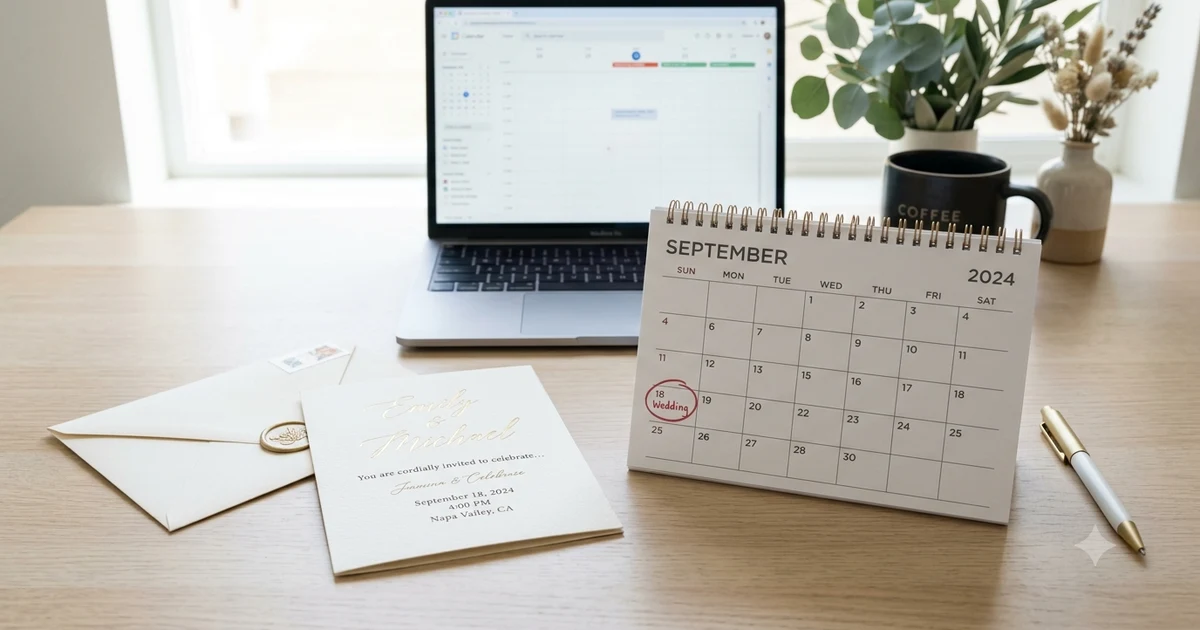
When you invite people to a wedding, party, conference, or other special event, Save the Date is one of the most common phrases you will see. It lets guests know an important date is coming before the official invitation arrives. Still, you may want something that sounds more formal, creative, friendly, or unique. Whether you’re planning a wedding, organizing a business event, or promoting a community gathering, there are plenty of alternatives that fit different situations. This guide explains what the phrase means, when to use it, and other ways to say Save the Date with practical examples.
Quick Answer
Save the Date is a friendly way to ask someone to reserve a specific day for an upcoming event. If you want a different expression, you can use phrases like Mark Your Calendar, Reserve the Date, Put It on Your Calendar, Hold the Date, or Keep This Date Free. The best choice depends on whether your event is formal, casual, professional, or personal.
TL;DR
- Meaning: A request to keep a specific date available.
- Tone: Usually friendly, positive, and welcoming.
- Common use: Weddings, parties, conferences, business events, and celebrations.
- Where it appears: Invitations, emails, social media posts, event websites, and printed cards.
- Formality: Mostly neutral, with alternatives available for both formal and casual occasions.
What Save the Date Means
Save the Date tells people that an important event is scheduled and that they should avoid making other plans on that day.
Unlike a full invitation, it usually does not include every event detail. Instead, it gives guests enough notice so they can plan ahead, especially if travel or time off work may be needed.
People commonly use this phrase for:
- Weddings
- Engagement parties
- Baby showers
- Graduation celebrations
- Company events
- Charity fundraisers
- Conferences
- Family reunions
Basic Explanation
Save the Date is not an abbreviation or internet slang. It is a common English phrase used in invitations and event planning.
The message simply means:
Please keep this day available because we hope you can attend.
An official invitation with more information often follows later.
Other Ways to Say Save the Date
Below are some of the best alternatives, along with when each one works best.
| Alternative | Best For | Tone |
|---|---|---|
| Mark Your Calendar | General events | Friendly |
| Reserve the Date | Weddings, formal events | Professional |
| Hold the Date | Business meetings, conferences | Formal |
| Keep This Date Free | Personal invitations | Warm |
| Put It on Your Calendar | Casual events | Relaxed |
| Don’t Make Plans Yet | Informal gatherings | Playful |
| Circle the Date | Social events | Cheerful |
| Block Off Your Calendar | Workplace events | Professional |
| Keep Your Schedule Open | Business or personal | Neutral |
| Plan to Join Us | Invitations | Welcoming |
| We’d Love to See You | Personal celebrations | Warm |
| Make a Note of the Date | Community events | Friendly |
| Be There | Informal events | Casual |
| Set Aside the Date | Formal invitations | Polished |
| Remember This Date | Announcements | Simple |
When to Use Each Alternative
Mark Your Calendar
This is one of the most popular replacements. It works for almost any event.
Example
Mark your calendar for Saturday, October 18. We can’t wait to celebrate with you.
Best for
- Community events
- School functions
- Birthdays
- Public announcements
Reserve the Date
This sounds slightly more formal than Save the Date.
Example
Please reserve the date of June 12 for our annual awards dinner.
Best for
- Weddings
- Corporate dinners
- Professional events
Hold the Date
A polished option that works especially well in business settings.
Example
Please hold the date for our leadership summit on September 8.
Best for
- Conferences
- Meetings
- Corporate events
Keep This Date Free
This feels warm and personal.
Example
Keep this date free because we’d love to celebrate with you.
Best for
- Family gatherings
- Baby showers
- Anniversary parties
Put It on Your Calendar
This sounds conversational and works well in emails and social media.
Example
Put it on your calendar. Our neighborhood picnic is coming on July 20.
Best for
- Community events
- Local gatherings
- Club meetings
Block Off Your Calendar
A common phrase in workplaces.
Example
Please block off your calendar for the quarterly planning session.
Best for
- Office meetings
- Team workshops
- Company presentations
Circle the Date
This phrase creates a fun, upbeat feeling.
Example
Circle the date because our summer festival is almost here.
Best for
- Festivals
- School events
- Family celebrations
Set Aside the Date
This alternative sounds polished and respectful.
Example
Please set aside the date for our charity gala.
Best for
- Formal dinners
- Fundraisers
- Professional celebrations
How People Use These Phrases Online
Although Save the Date began with printed invitations, today it appears across many digital platforms.
Common places include:
- Wedding websites
- Email invitations
- Facebook event pages
- Instagram announcements
- LinkedIn event promotions
- Company newsletters
- Digital invitation services
- Community organization websites
Many people also pair the phrase with photos, countdown graphics, or event branding to build excitement before sharing full event details.
Tone and Emotional Meaning
The phrase usually creates a positive first impression. It tells guests they are important enough to receive advance notice.
Depending on the wording, the tone can change.
| Phrase | Emotional Tone |
|---|---|
| Save the Date | Friendly and welcoming |
| Mark Your Calendar | Helpful and casual |
| Reserve the Date | Professional and polished |
| Hold the Date | Formal and organized |
| Keep This Date Free | Warm and personal |
| Circle the Date | Cheerful and fun |
| Block Off Your Calendar | Business-focused |
Choosing the right wording helps match the personality of your event.
Common Situations Where These Phrases Appear
People use these alternatives in many real-life situations.
- Wedding announcements
- Engagement parties
- Birthday celebrations
- Graduation ceremonies
- Retirement parties
- Holiday gatherings
- Charity fundraisers
- Business conferences
- Networking events
- Product launches
- School reunions
- Church events
- Community festivals
- Sports banquets
- Family reunions
Each event has its own style, so choosing the right phrase can make your invitation feel more natural.
Examples in Real Conversations
Situation
A couple announces their wedding.
Example
Please reserve the date for our wedding on May 15. More details are coming soon.
Meaning
The couple wants guests to keep that day available.
Situation
A company plans a conference.
Example
Please hold the date for our annual customer conference this September.
Meaning
Attendees should plan around that date.
Situation
A family reunion.
Example
Keep this date free because the whole family is getting together in August.
Meaning
Family members should avoid making other plans.
Situation
A community event.
Example
Mark your calendar for our neighborhood cleanup on April 22.
Meaning
Residents are encouraged to participate.
Situation
A casual party.
Example
Circle the date. Our backyard barbecue is almost here.
Meaning
Friends are invited to remember the upcoming event.
Similar Terms and Related Phrases
Many expressions share the same purpose as Save the Date, but each has a slightly different tone.
| Phrase | How It Differs |
|---|---|
| Mark Your Calendar | Casual reminder to remember an event. |
| Reserve the Date | More formal and often used for weddings or business events. |
| Hold the Date | Common in professional settings and conferences. |
| Keep This Date Free | Warm and personal. |
| Plan to Join Us | Focuses on encouraging attendance rather than simply reserving the day. |
| RSVP | Asks guests to confirm attendance, not to save the date. |
| Invitation to Follow | Lets guests know more details will come later. |
| Don’t Miss It | Creates urgency and excitement instead of simply announcing a date. |
While these phrases are similar, they are not always interchangeable. Choose one that matches the style of your event and your audience.
When You Should Use These Alternatives
Different situations call for different wording.
Use one of these phrases when:
- You are announcing an event before sending formal invitations.
- Guests may need time to arrange travel.
- People need to request vacation days.
- You expect attendees to reserve a busy weekend.
- You want to build interest before sharing full event details.
- You are promoting a conference, fundraiser, reunion, or celebration.
For example:
- A wedding planned eight months away can begin with Reserve the Date.
- A company seminar might use Hold the Date.
- A birthday party invitation may simply say Mark Your Calendar.
Matching the wording to the event helps set the right expectations.
When You Should Avoid These Alternatives
These expressions are useful, but they are not appropriate everywhere.
Avoid them when:
- The event date has not been finalized.
- You are sending the official invitation with complete details.
- The meeting is urgent and requires an immediate response.
- You need guests to RSVP right away.
- The audience may not understand informal wording.
- The message relates to legal, medical, or emergency situations.
In these cases, a direct invitation or clear scheduling message works better.
Are These Phrases Formal or Informal?
Most alternatives fall somewhere between casual and professional.
| Phrase | Formality |
|---|---|
| Save the Date | Neutral |
| Mark Your Calendar | Casual |
| Reserve the Date | Formal |
| Hold the Date | Professional |
| Keep This Date Free | Friendly |
| Put It on Your Calendar | Casual |
| Block Off Your Calendar | Professional |
| Set Aside the Date | Formal |
For workplace emails, conferences, and corporate events, phrases like Hold the Date or Reserve the Date usually sound more polished.
For birthdays, weddings, reunions, and social gatherings, almost any of the alternatives can work naturally.
Common Misunderstandings
Some people confuse Save the Date with an invitation, but they are not the same.
Here are a few common misunderstandings.
It is not a confirmation
Receiving a Save the Date does not mean you have officially accepted the invitation.
It does not include every detail
Many announcements only provide the event date. The venue, schedule, dress code, and RSVP instructions often come later.
It is not only for weddings
Although weddings made the phrase especially popular, businesses, schools, charities, and community organizations use it regularly.
It does not require an immediate reply
Unlike an RSVP request, a Save the Date simply gives advance notice.
Usage in the USA and Other English-Speaking Countries
Save the Date is widely recognized in the United States, Canada, the United Kingdom, Australia, and New Zealand.
In these countries, people commonly receive Save the Date announcements for:
- Weddings
- Charity events
- Corporate conferences
- School reunions
- Holiday parties
- Community festivals
Business organizations often prefer wording such as Hold the Date or Reserve the Date, while personal events frequently use the traditional phrase or casual alternatives like Mark Your Calendar.
Overall, English speakers across Tier 1 countries understand all of these expressions without confusion.
Quick Reference Table
| Context | Best Meaning | Tone | Best Use | Avoid If |
|---|---|---|---|---|
| Wedding | Reserve the Date | Formal | Early wedding announcement | Sending the final invitation |
| Birthday Party | Mark Your Calendar | Friendly | Casual celebrations | Formal business events |
| Business Conference | Hold the Date | Professional | Corporate announcements | Informal family gatherings |
| Family Reunion | Keep This Date Free | Warm | Personal invitations | Official workplace communication |
| Community Event | Put It on Your Calendar | Casual | Local activities | High-level corporate events |
| Charity Gala | Set Aside the Date | Polished | Fundraisers and formal dinners | Very casual social events |
| Office Meeting | Block Off Your Calendar | Professional | Internal scheduling | Wedding invitations |
Conclusion
Save the Date remains one of the clearest ways to let people know an important event is coming. Still, it is not your only option. Alternatives such as Mark Your Calendar, Reserve the Date, Hold the Date, and Keep This Date Free can better match the tone of your event.
The right choice depends on your audience and the occasion. A professional conference may call for more formal wording, while a birthday party or family gathering often sounds better with a relaxed, friendly phrase. Choosing language that fits the event helps your invitation feel thoughtful and easy to understand.
Frequently Asked Questions
What are the best other ways to say Save the Date?
Some of the most popular alternatives include Mark Your Calendar, Reserve the Date, Hold the Date, Keep This Date Free, Put It on Your Calendar, and Set Aside the Date.
Is Save the Date only used for weddings?
No. While it is closely associated with weddings, people also use it for conferences, fundraisers, birthday parties, reunions, graduations, holiday events, and business gatherings.
Is Save the Date formal or informal?
It is generally considered neutral. It works in both personal and many professional settings, although formal events sometimes prefer Reserve the Date or Hold the Date.
What is the difference between Save the Date and RSVP?
A Save the Date asks people to keep a day available. An RSVP asks them to confirm whether they will attend.
Can I use Mark Your Calendar instead of Save the Date?
Yes. Mark Your Calendar is one of the most natural alternatives and works especially well for casual events, community activities, and social gatherings.
When should I send a Save the Date?
For weddings and large events, people often send them several months in advance so guests have enough time to plan. Smaller local events usually require less notice.
Which alternative sounds most professional?
Hold the Date, Reserve the Date, and Set Aside the Date are generally the most professional choices for workplace events, conferences, and formal occasions.