
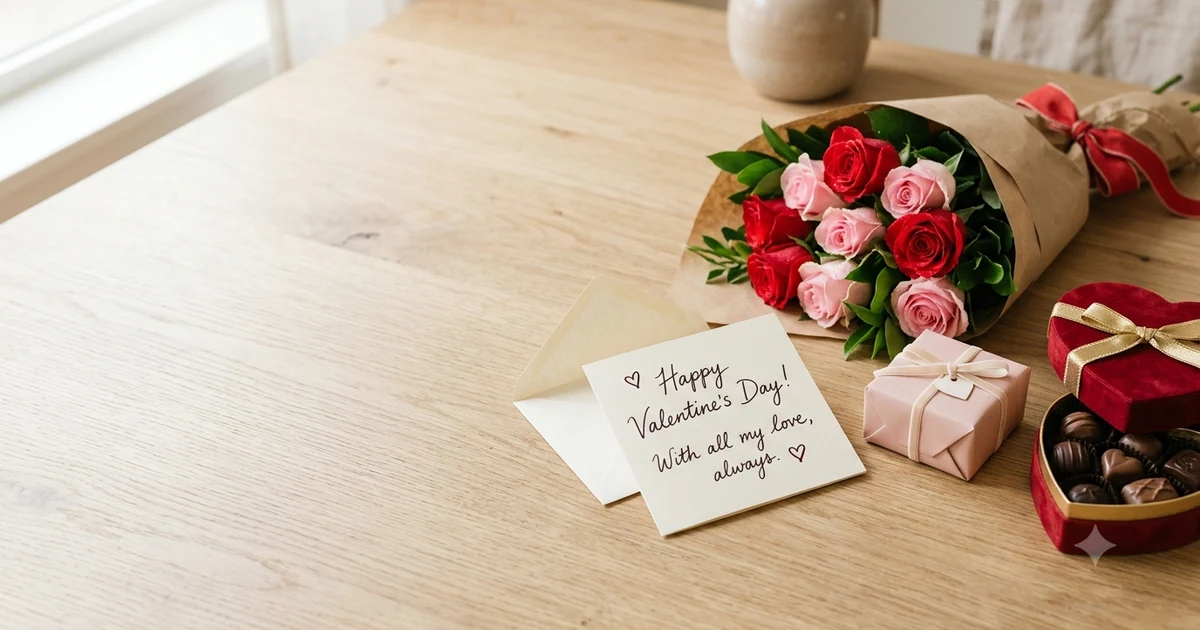
Valentine’s Day gives people a chance to show love, appreciation, and affection to partners, family members, close friends, and even coworkers in some settings. While Happy Valentine’s Day is the most common greeting, many people look for fresh and more personal ways to express the same feeling. Whether you are writing a card, sending a text, posting on social media, or adding a thoughtful note to a gift, choosing different words can make your message feel warmer and more memorable.
This guide shares meaningful alternatives, explains when to use them, and provides practical examples for different relationships and occasions.
Quick Answer
There are many other ways to say Happy Valentine’s Day depending on your relationship with the person. Romantic messages, friendly greetings, heartfelt wishes, and playful expressions all work well when they match the situation. The best choice is one that sounds natural and reflects your genuine feelings.
TL;DR
- Happy Valentine’s Day has many thoughtful alternatives.
- The tone can be romantic, sweet, friendly, or lighthearted.
- These greetings work well in cards, text messages, and social media posts.
- Pick a message that matches your relationship with the recipient.
- Most alternatives are informal, though some work in professional settings with care.
What Other Ways to Say Happy Valentine’s Day Mean
Using a different Valentine’s Day greeting does not change the purpose of your message. It simply gives you another way to express love, appreciation, admiration, or friendship.
Many people choose a different phrase because they want their message to feel:
- More personal
- Less predictable
- Romantic without sounding overly dramatic
- Warm and heartfelt
- Fun and playful
- Suitable for friends or family instead of romantic partners
A thoughtful greeting often means more than using the same phrase everyone else sends.
Why People Choose Different Valentine’s Day Greetings
There are many reasons someone may prefer another expression.
Some want to avoid sounding repetitive.
Others want to make their card or message stand out.
You may also need a greeting that fits a specific relationship, such as:
- A husband or wife
- A boyfriend or girlfriend
- A fiancé or fiancée
- A close friend
- A family member
- A coworker
- A teacher
- A long-distance partner
The right wording helps your message feel natural instead of forced.
Best Alternatives to Happy Valentine’s Day
| Alternative | Best For | Tone |
|---|---|---|
| Wishing you a day filled with love | Anyone | Warm |
| Hope your Valentine’s Day is wonderful | Friends, family | Friendly |
| Sending you lots of love today | Partner, family | Affectionate |
| Hope you feel loved today | Anyone | Caring |
| Have a beautiful Valentine’s Day | Romantic partner | Sweet |
| Enjoy every moment of your special day | Friends, family | Cheerful |
| Thinking of you this Valentine’s Day | Long-distance relationships | Thoughtful |
| You make every day feel special | Romantic partner | Romantic |
| Celebrating you today | Friends, partner | Appreciative |
| Hope today brings you happiness and love | Anyone | Kind |
| Wishing you love and laughter today | Friends | Lighthearted |
| Sending warm Valentine’s wishes | Coworkers, acquaintances | Polite |
| Have a lovely day filled with smiles | Anyone | Gentle |
| Here’s to love, kindness, and happiness | Groups | Positive |
| Hope your day is as wonderful as you are | Romantic partner | Loving |
| You mean the world to me today and always | Partner | Deeply romantic |
| So grateful to have you in my life | Partner, family | Heartfelt |
| Sending hugs your way today | Friends, family | Casual |
| Hope your heart feels full today | Anyone | Caring |
| Wishing you a day full of sweet moments | Anyone | Warm |
How People Use These Greetings in Texts and Online Conversations
Most Valentine’s Day wishes appear in short digital messages because they are quick, personal, and easy to send.
People commonly use them in:
- Text messages
- Instagram captions
- Facebook posts
- Snapchat messages
- TikTok comments
- WhatsApp chats
- Messenger conversations
- Digital greeting cards
Short greetings work especially well online because they are easy to read and feel natural.
For example:
Happy Valentine’s Day. Hope your day is filled with smiles.
Sending lots of love your way today.
Hope you have an amazing day with the people you love most.
Thinking about you today and wishing you all the happiness in the world.
You deserve all the love today and every day.
Tone and Emotional Meaning
Different greetings create different emotional impressions.
Romantic
These focus on love, commitment, and affection.
Examples include:
- You make every day brighter.
- Forever grateful for your love.
- So lucky to have you.
Sweet
These are gentle and caring.
Examples include:
- Hope your day is filled with happiness.
- Sending warm wishes today.
- Have a beautiful Valentine’s Day.
Friendly
Perfect for friends or classmates.
Examples include:
- Hope you have an awesome Valentine’s Day.
- Wishing you lots of smiles today.
- Have a great day celebrating friendship and kindness.
Playful
These add humor without losing warmth.
Examples include:
- Hope you get plenty of chocolate today.
- Saving you some candy in spirit.
- Wishing you a day as sweet as dessert.
Common Situations Where These Greetings Work
Different relationships call for different kinds of Valentine’s Day messages. Matching your words to the occasion helps your greeting feel sincere.
a-For a romantic partner
- Anniversary-style messages
- Love letters
- Text messages
- Gift cards
- Surprise notes
b-For your spouse
- Morning messages
- Dinner cards
- Flowers
- Personalized gifts
c-For friends
- Group chats
- Social media comments
- Friendship cards
- Casual text messages
d-For family
- Parents
- Children
- Siblings
- Grandparents
- Cousins
e-For coworkers
- Team messages
- Office cards
- Workplace celebrations
- Company social posts
Examples in Real Conversations
Situation
Texting your partner before work.
Example
Hope your day is filled with love. You make every day better for me.
Meaning
A warm romantic greeting that feels genuine without being overly dramatic.
Situation
Sending a message to a close friend.
Example
Wishing you a wonderful Valentine’s Day filled with happiness and lots of chocolate.
Meaning
A cheerful and friendly message with a playful touch.
Situation
Posting on Instagram.
Example
Celebrating the people who make life brighter. Wishing everyone a wonderful Valentine’s Day.
Meaning
A positive message that includes everyone.
Situation
Writing in a greeting card.
Example
You make every day feel special. I hope today reminds you how much you mean to me.
Meaning
A heartfelt expression of appreciation and love.
Situation
Sending a message to family.
Example
Sending love to all of you today. Hope your Valentine’s Day is full of joy and happy moments.
Meaning
A caring greeting suitable for relatives of all ages.
Situation
Sending a workplace greeting.
Example
Wishing everyone a wonderful Valentine’s Day and a great week ahead.
Meaning
Friendly, respectful, and appropriate for professional settings.
Similar Valentine’s Day Greetings
| Phrase | Best Use | Difference |
|---|---|---|
| Wishing you a wonderful Valentine’s Day | Anyone | Warm and versatile |
| Sending lots of love today | Family, partner | More affectionate |
| Hope your day is filled with love | Friends and family | Gentle and caring |
| Thinking of you today | Long-distance relationships | Personal and thoughtful |
| Have a lovely Valentine’s Day | Anyone | Soft and polite |
| Celebrating love today | Social media | Inclusive and general |
| Hope your day is full of happiness | Anyone | Focuses on joy rather than romance |
| Sending warm wishes | Coworkers | Professional and friendly |
When You Should Use These Alternatives
These greetings work well when you want your message to sound personal.
Good times to use them include:
- Greeting cards
- Handwritten notes
- Text messages
- Email greetings
- Social media captions
- Gift tags
- Video messages
- Long-distance conversations
Choosing a phrase that fits your relationship makes your message more meaningful.
When You Should Avoid Certain Greetings
Some expressions may not fit every situation.
Avoid very romantic wording when writing to:
- Coworkers
- Clients
- Teachers
- New acquaintances
- Professional contacts
For example, saying You mean everything to me is appropriate for a romantic partner but not for a colleague.
Likewise, playful jokes may not suit someone who prefers heartfelt messages.
Is It Formal or Informal?
Most Valentine’s Day greetings are informal because the holiday celebrates personal relationships.
Here is a general guide.
Informal
- Text messages
- Dating messages
- Friends
- Family
- Social media
Semi-formal
- Workplace cards
- Team celebrations
- Community events
Formal
Formal Valentine’s Day greetings are uncommon. If you are writing in a business setting, keep the message simple and respectful.
For example:
Wishing you a pleasant Valentine’s Day and all the best.
Common Misunderstandings
Some people think Valentine’s Day greetings must always be romantic.
That is not true.
Many people celebrate the day by recognizing:
- Friendships
- Family relationships
- Acts of kindness
- Appreciation
- Community connections
Another misunderstanding is that longer messages always sound more meaningful.
Often, a short and thoughtful greeting feels more sincere than a lengthy message.
How People Use These Greetings in the USA and Other English-Speaking Countries
In the United States, Canada, the United Kingdom, Australia, and other English-speaking countries, people commonly exchange Valentine’s Day wishes with romantic partners, spouses, family members, and close friends.
Social media has also made it common to share public greetings that celebrate friendship, kindness, and appreciation.
Schools often encourage children to exchange friendly Valentine’s cards, while workplaces may share simple greetings during office celebrations.
Because of these traditions, many alternatives to Happy Valentine’s Day sound completely natural to native English speakers.
Quick Reference Table
| Context | What It Means | Tone | Best Use | Avoid If |
|---|---|---|---|---|
| Romantic text | Expresses love | Romantic | Partner | Workplace |
| Greeting card | Shares affection | Warm | Family or partner | None |
| Social media | Celebrates the day | Friendly | Public posts | Very private messages |
| Friendship message | Shows appreciation | Casual | Friends | Formal business communication |
| Workplace greeting | Offers kind wishes | Polite | Coworkers | Romantic wording |
| Family message | Expresses care | Loving | Relatives | None |
Conclusion
There are many other ways to say Happy Valentine’s Day, and the best one depends on who you are writing to. A thoughtful greeting can feel more personal than a standard holiday wish, whether you choose something romantic, friendly, playful, or heartfelt. Keep your message genuine, match the tone to your relationship, and let your words reflect how you truly feel.
FAQs
What are other ways to say Happy Valentine’s Day?
Some popular alternatives include Wishing you a day filled with love, Sending lots of love today, Have a lovely Valentine’s Day, Thinking of you today, and Hope your day is full of happiness.
Can I use these greetings in a text message?
Yes. Most of these expressions work naturally in text messages, messaging apps, and social media posts.
Are Valentine’s Day greetings only for romantic partners?
No. Many people send Valentine’s Day wishes to friends, family members, classmates, and coworkers using friendly and respectful language.
Which greeting is best for a long-distance relationship?
Thinking of you today, Sending all my love, and Wish we could celebrate together are thoughtful choices for long-distance couples.
Can I use Valentine’s Day greetings at work?
Yes, but choose simple and professional messages such as Sending warm Valentine’s wishes or Wishing you a wonderful day.
What is the most heartfelt alternative to Happy Valentine’s Day?
Messages such as You make every day brighter, So grateful to have you in my life, and You mean so much to me often feel deeply personal for romantic relationships.
How do I make my Valentine’s Day message more personal?
Mention a shared memory, express genuine appreciation, or include a kind wish that reflects your relationship. Even a short message can feel meaningful when it is sincere.