
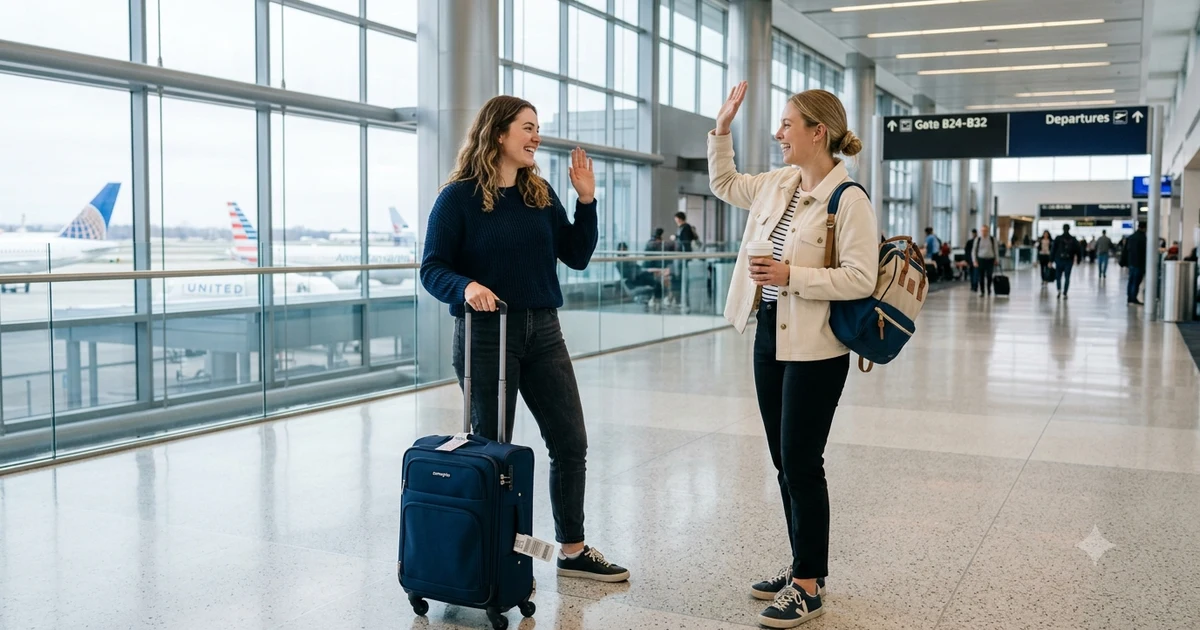
Wishing someone a safe trip is one of the most thoughtful ways to say goodbye before they travel. Whether a friend is heading on vacation, a coworker is leaving for a business trip, or a family member is taking a long drive, you may want something more personal than simply saying have a safe trip. Fortunately, English offers many warm, friendly, and professional alternatives that fit different situations.
This guide shares natural ways to express the same wish, explains when to use each one, and provides real-life examples to help you choose the right words.
Quick Answer
There are many ways to say have a safe trip, depending on your relationship with the traveler and the situation. You can say safe travels, travel safely, enjoy your journey, have a smooth flight, drive safely, or wishing you a safe journey. Some expressions sound casual, while others work better in professional or formal conversations.
TL;DR
- Have a safe trip is a kind way to wish someone well before they travel.
- Many alternatives sound more personal or fit specific travel situations.
- Some phrases work best with friends, while others suit work or formal settings.
- These expressions appear in conversations, text messages, emails, greeting cards, and social media.
- Most options are friendly and polite, with a few leaning more formal than others.
What Other Ways to Say Have a Safe Trip Mean
When people look for another way to say have a safe trip, they usually want to avoid repeating the same phrase every time someone travels.
Different alternatives can express:
- Care and concern
- Excitement for the traveler
- Good wishes for a smooth journey
- Hope for a safe return
- Warmth and encouragement
Although the wording changes, the message stays the same. You want the traveler to arrive safely and enjoy the experience along the way.
Basic Explanation
Have a safe trip is a common English expression used before someone begins traveling. It does not only refer to long vacations. People also use it before:
- Flights
- Road trips
- Train journeys
- Cruises
- Business travel
- Weekend getaways
- International travel
Instead of repeating the same words every time, many native English speakers naturally switch to other expressions depending on the situation.
Here are some of the most common alternatives.
| Alternative | Best Used For |
|---|---|
| Safe travels | Any type of travel |
| Travel safely | Friendly conversations |
| Have a great trip | Vacations and holidays |
| Enjoy your journey | Longer trips |
| Wishing you a safe journey | Formal messages |
| Have a smooth flight | Air travel |
| Drive safely | Road trips |
| Have an amazing vacation | Leisure travel |
| Hope everything goes smoothly | Business or personal travel |
| See you when you get back | Friends and family |
Tone and Emotional Meaning
The words you choose can slightly change the feeling behind your message.
Warm and Caring
These phrases show genuine concern.
- Safe travels
- Travel safely
- Take care on your trip
- Wishing you a safe journey
These work well for family, close friends, and coworkers.
Friendly and Cheerful
If someone is traveling for fun, these options sound positive.
- Have a great trip
- Enjoy your vacation
- Have an amazing adventure
- Hope you have a wonderful time
These focus more on enjoying the trip than simply staying safe.
Professional
For workplace conversations, keep your wording polite.
- Wishing you safe travels
- Have a successful trip
- Hope your journey goes smoothly
- Best wishes for your travels
These expressions sound respectful without being overly personal.
Personal and Heartfelt
For someone close to you, add a more emotional touch.
- Take good care of yourself
- I hope everything goes perfectly
- Can’t wait to hear about your trip
- Come back safely
These phrases feel sincere and thoughtful.
Common Situations Where These Phrases Appear
People use these expressions in many everyday situations.
a-Before a Vacation
- Have a wonderful vacation.
- Safe travels.
- Enjoy every minute.
b-Before a Business Trip
- Wishing you a smooth trip.
- Hope everything goes well.
- Safe travels and good luck with your meetings.
c-Before a Road Trip
- Drive safely.
- Have a fun drive.
- Stay safe on the road.
d-Before a Flight
- Have a smooth flight.
- Hope your flight is comfortable.
- Safe travels.
e-Before International Travel
- Wishing you a safe journey.
- Enjoy your travels.
- Hope everything goes according to plan.
f-In Text Messages
- Safe travels.
- Have fun.
- Take care.
- Text me when you arrive.
g-On Social Media
- Have an incredible trip.
- Wishing you safe travels.
- Hope you make amazing memories.
Examples in Real Conversations
Situation
A friend is leaving for Europe.
Example
Safe travels. I hope you have an unforgettable time.
Meaning
A friendly wish for both safety and enjoyment.
Situation
A coworker is flying to another city.
Example
Wishing you a smooth flight and a successful trip.
Meaning
Professional, polite, and supportive.
Situation
Your sibling is taking a long road trip.
Example
Drive safely and let me know when you get there.
Meaning
Shows care while reminding them to stay safe.
Situation
Your parents are going on vacation.
Example
Have a wonderful trip. I hope the weather is perfect.
Meaning
Warm and positive without sounding formal.
Situation
Your best friend is traveling abroad.
Example
Take care of yourself and enjoy every moment.
Meaning
Adds a personal and caring touch.
Situation
Someone is boarding a flight.
Example
Hope you have a smooth flight and arrive safely.
Meaning
A thoughtful wish focused on the journey.
Similar Terms and Related Phrases
Many expressions share a similar meaning, but each fits a slightly different situation.
Safe Travels
This is one of the most popular alternatives. It works for almost every kind of trip and sounds natural in both speech and writing.
Travel Safely
This phrase is simple and friendly. People often use it when saying goodbye in person.
Have a Great Trip
This version focuses more on enjoyment than safety. It works especially well for vacations.
Enjoy Your Journey
A slightly more thoughtful phrase that fits longer or meaningful trips.
Wishing You a Safe Journey
This option sounds a little more formal and works well in professional emails, farewell cards, or messages to acquaintances.
Drive Safely
Use this only when someone is traveling by car or another road vehicle.
Have a Smooth Flight
This alternative is specific to air travel and shows consideration for the travel experience.
Take Care
Although not exclusively about travel, many people naturally say this when someone is leaving on a trip. It expresses care in a simple, everyday way.
When You Should Use These Phrases
Choosing the right expression depends on who you are speaking to and how they are traveling.
1-Use Safe travels when:
- Someone is taking any type of trip.
- You want a simple and friendly goodbye.
- You are sending a text, email, or card.
2-Use Have a great trip when:
- Someone is going on vacation.
- You want to sound cheerful and positive.
Use Drive safely when:
- Someone is traveling by car.
- You want to remind them to stay careful on the road.
Use Have a smooth flight when:
- Someone is flying.
- You want to wish them a comfortable journey.
3-Use Wishing you a safe journey when:
- Writing a professional email.
- Sending a farewell card.
- Speaking in a more formal setting.
4-Use Take care on your trip when:
- Talking to close friends or family.
- You want your message to sound warm and personal.
When You Should Avoid Certain Phrases
Some expressions fit better than others depending on the situation.
a-Avoid Have a smooth flight if the person is traveling by car, train, or ship.
b-Avoid Drive safely if they are flying.
c-Avoid overly playful phrases in professional emails or business messages.
d-Avoid using very formal wording with close friends if it feels unnatural. A simple Safe travels or Have fun often sounds more genuine.
e-Avoid sending only a one-word message if you are close to the traveler. Adding a personal note makes your message more meaningful.
Is It Formal or Informal?
Most alternatives to have a safe trip are flexible and work in everyday conversations.
| Phrase | Formality | Best For |
|---|---|---|
| Safe travels | Neutral | Almost any situation |
| Travel safely | Casual | Friends and family |
| Have a great trip | Casual | Vacations |
| Enjoy your journey | Neutral | Personal and formal messages |
| Wishing you a safe journey | Formal | Workplace and greeting cards |
| Drive safely | Casual | Road travel |
| Have a smooth flight | Neutral | Air travel |
| Best wishes for your travels | Formal | Business communication |
If you are unsure which one to choose, Safe travels is usually the safest option because it sounds natural in both personal and professional settings.
Common Misunderstandings
People sometimes think every travel wish has the same tone, but there are small differences.
Have a great trip focuses on enjoying the experience.
Safe travels focuses on reaching the destination safely.
Enjoy your journey highlights the experience along the way.
Drive safely applies only to road travel.
Have a smooth flight refers only to air travel.
Choosing the phrase that matches the situation makes your message feel more thoughtful.
USA and Tier 1 Country Usage
In the United States, Canada, the United Kingdom, Australia, and other English-speaking countries, wishing someone well before they travel is a common social courtesy.
Safe travels is especially popular because it works for almost every type of transportation.
Have a great trip is common before vacations.
Drive safely is often used when someone leaves by car.
Professional emails frequently include Wishing you safe travels or Best wishes for your trip.
These expressions are widely understood by native English speakers and sound natural in everyday conversation.
Quick Reference Table
| Context | What It Means | Tone | Best Use | Avoid If |
|---|---|---|---|---|
| Vacation | Enjoy your holiday safely | Friendly | Friends and family | Formal business emails |
| Business trip | Wish for a successful and safe journey | Professional | Coworkers and clients | Very casual chats |
| Road trip | Stay safe while driving | Caring | Car travel | Air travel |
| Flight | Hope the flight goes well | Friendly | Airports and travel messages | Road trips |
| Long journey | Safe and pleasant travel | Warm | Family and friends | Very short local trips |
| Greeting card | General travel wishes | Polite | Cards and farewell notes | Not necessary for casual texts |
Conclusion
There are many thoughtful alternatives to saying have a safe trip. Some focus on safety, while others emphasize enjoyment or a smooth journey. Choosing the right phrase depends on how well you know the traveler, where they are going, and the tone you want to create.
Whether you say Safe travels, Have a great trip, Drive safely, or Wishing you a safe journey, your words show that you care. A simple, sincere message often means more than a long farewell.
FAQs
What are other ways to say have a safe trip?
Popular alternatives include Safe travels, Travel safely, Have a great trip, Enjoy your journey, Drive safely, Have a smooth flight, and Wishing you a safe journey.
Is safe travels more common than have a safe trip?
Both are common. Safe travels sounds slightly more natural because it works for almost every type of travel.
Can I use these phrases in a professional message?
Yes. Safe travels, Wishing you a safe journey, Best wishes for your travels, and Hope your trip goes smoothly are all suitable for professional communication.
Which phrase should I use for someone flying?
Have a smooth flight, Safe travels, and Wishing you a safe journey are all appropriate for air travel.
What should I say before someone starts a road trip?
Drive safely is the most natural choice. You can also say Safe travels or Take care on the road.
Is have a safe trip polite?
Yes. It is a polite, kind, and widely accepted way to wish someone well before they travel.
Can I use these phrases in text messages?
Absolutely. Short messages such as Safe travels, Have a great trip, Text me when you arrive, or Enjoy your vacation are common in casual texting.