Many people search for other ways to say it would be greatly appreciated to sound more natural, professional, or polite in emails, workplace messages, and everyday conversations. The phrase is respectful, but repeating it can make your writing feel repetitive. Choosing a different expression helps you match the tone of your message when communicating with a client, colleague, manager, teacher, or friend.
Quick Answer
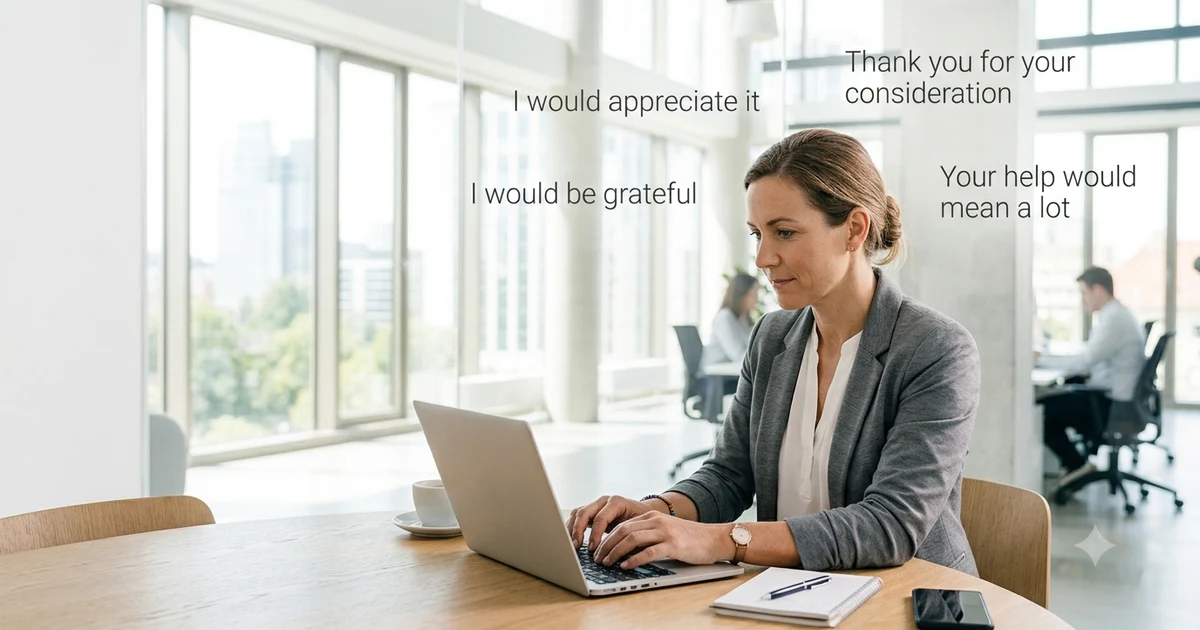
You can say I would appreciate it, I would be grateful, Your help would mean a lot, I would sincerely appreciate your assistance, or Thank you in advance for your consideration instead of it would be greatly appreciated. The best choice depends on how formal or casual you want your message to sound.
TL;DR
- Meaning: A polite way to ask for help, support, or consideration.
- Tone: Respectful, thankful, and appreciative.
- Common use: Emails, business communication, customer service, and polite requests.
- Where it appears: Professional messages, letters, and formal conversations.
- Formal or informal: Mostly formal, but many natural alternatives also work in casual settings.
What It Means
The phrase it would be greatly appreciated expresses gratitude before someone agrees to help. It lets the other person know that you value their time, effort, or support.
People often use it when asking for:
- Information
- A favor
- Feedback
- Approval
- Documents
- Assistance with a task
- A quick response
Instead of sounding demanding, the phrase makes the request feel courteous and respectful.
For example:
Please send the updated report by Friday. It would be greatly appreciated.
The sentence politely communicates that receiving the report would be valuable.
Basic Explanation
People commonly use this complete English expression in professional communication instead of internet abbreviations or texting slang. Breaking it down makes the meaning clear.
- It refers to the action or favor being requested.
- Would shows politeness rather than expectation.
- Greatly adds emphasis.
- Appreciated means valued or thanked.
Together, the phrase means that the speaker will sincerely value the other person’s help.
Other Ways to Say It
If you want your writing to sound more natural, here are some excellent alternatives.
| Alternative | Best For | Tone |
|---|---|---|
| I would appreciate it | Everyday professional emails | Polite |
| I would be grateful | Formal requests | Warm and respectful |
| Your assistance would be appreciated | Business communication | Professional |
| I would sincerely appreciate your help | Important requests | Sincere |
| Your support would mean a lot | Personal or workplace conversations | Warm |
| Thank you for your consideration | Formal letters and applications | Professional |
| Any assistance would be appreciated | Customer service or support requests | Neutral |
| Your prompt response would be appreciated | Time-sensitive emails | Professional |
| I would truly appreciate your time | Asking for advice or meetings | Respectful |
| Thanks in advance for your help | Friendly professional communication | Casual-professional |
How People Use It in Professional Messages
This expression appears most often in business communication because it sounds courteous without being overly emotional.
Common places where you may see it include:
- Emails to clients
- Requests to managers
- Customer support messages
- Job applications
- University emails
- Vendor communication
- Project updates
- Follow-up emails
Example:
Could you please review the attached proposal before Thursday? Your feedback would be greatly appreciated.
Example:
Please confirm your attendance by Monday. I would greatly appreciate it.
Can You Use It in Text Messages or Online Conversation?
Yes, but it depends on the situation.
In casual texting, many people choose shorter alternatives because the original phrase sounds quite formal.
Instead, you might write:
- I’d really appreciate it.
- That would help a lot.
- I’d be thankful.
- I’d appreciate your help.
- Thanks if you can help.
The full phrase still works when you want to sound especially respectful, such as when messaging a teacher, recruiter, landlord, or someone you do not know well.
Tone and Emotional Meaning
The phrase carries a positive and respectful tone.
It suggests that you are asking rather than expecting. That small difference helps build goodwill and makes your request sound considerate.
It can communicate:
- Respect
- Gratitude
- Professionalism
- Humility
- Appreciation
- Courtesy
Because of this, it works especially well in workplace communication and formal emails.
Is It Formal or Informal?
The phrase is formal.
Here is how it fits in different situations.
| Situation | Appropriate? |
|---|---|
| Business emails | Yes |
| Customer service | Yes |
| Job applications | Yes |
| College or university emails | Yes |
| Workplace chat | Yes |
| Texting close friends | Usually too formal |
| Family conversations | Less common |
| Social media comments | Depends on the context |
For everyday conversations with friends, shorter expressions usually sound more natural.
For example:
- I’d really appreciate it.
- That would mean a lot.
- Thanks for helping.
- I’d be grateful.
Common Situations Where It Appears
You will often see this phrase in situations where someone wants to make a polite request without sounding demanding.
Common examples include:
- Asking a coworker to review a document.
- Requesting additional information from customer support.
- Following up after a job interview.
- Asking a professor for clarification.
- Requesting approval from a manager.
- Asking a client to provide missing documents.
- Requesting a reference letter.
- Asking someone to respond before a deadline.
- Seeking technical support.
- Requesting feedback on a proposal.
In each case, the phrase softens the request and shows appreciation before the other person responds.
Examples in Real Conversations
Similarly,seeing the phrase in context makes it easier to know when to use it and when a different expression might sound better.
Situation: Asking a coworker to review a document
Example
Could you review the attached report before Friday? It would be greatly appreciated.
Meaning
The sender politely asks for help while showing respect for the coworker’s time.
Situation: Requesting information from customer support
Example
If you could provide an update on my order, it would be greatly appreciated.
Meaning
The request sounds patient and professional rather than demanding.
Situation: Following up after a job interview
Example
Any update regarding the hiring decision would be greatly appreciated.
Meaning
The applicant expresses interest while remaining courteous.
Situation: Asking a professor for guidance
Example
If you could clarify the assignment requirements, it would be greatly appreciated.
Meaning
The student respectfully asks for additional information.
Situation: Requesting documents from a client
Example
Please send the signed agreement at your earliest convenience. It would be greatly appreciated.
Meaning
The message remains polite while encouraging a prompt response.
Situation: Asking a neighbor for a favor
Example
If you could collect my package while I’m away, it would be greatly appreciated.
Meaning
The request sounds thankful without putting pressure on the other person.
Similar Terms and Better Alternatives
Many expressions communicate appreciation while fitting different situations. Some sound more formal, while others feel warmer or more conversational.
| Alternative | Best Used When | Tone |
|---|---|---|
| I would appreciate it | Everyday professional requests | Polite |
| I would really appreciate it | Friendly workplace conversations | Warm |
| I would be grateful | Formal emails and letters | Respectful |
| Your assistance would be appreciated | Business communication | Professional |
| Your help would be appreciated | General requests | Polite |
| Your support would be appreciated | Team projects | Professional |
| I would sincerely appreciate your help | Important requests | Sincere |
| I would truly appreciate it | Heartfelt requests | Warm |
| It would mean a lot | Personal conversations | Friendly |
| Your help would mean a great deal | Personal and professional | Appreciative |
| Any assistance would be appreciated | Customer support | Neutral |
| Your prompt attention would be appreciated | Time-sensitive matters | Formal |
| Your prompt response would be appreciated | Business emails | Professional |
| Thank you for your consideration | Applications and proposals | Formal |
| Thank you in advance | Everyday requests | Friendly-professional |
| I appreciate your time | Meeting requests | Respectful |
| Thank you for your assistance | After receiving help | Professional |
| I would value your feedback | Asking for opinions | Professional |
| I’d be thankful for your help | Casual requests | Warm |
| I’d appreciate your support | Team communication | Polite |
| I’d appreciate your guidance | Mentoring situations | Respectful |
| I hope you can help | Informal requests | Friendly |
| I’d be grateful for your advice | Seeking expertise | Respectful |
| I’d appreciate any assistance | General inquiries | Neutral |
| Many thanks in advance | Friendly emails | Warm |
When You Should Use It
This phrase works best when you want to sound respectful without being overly formal.
Good situations include:
- Business emails
- Job applications
- Customer support requests
- Speaking with managers
- Contacting teachers or professors
- Asking for professional advice
- Following up on important requests
- Requesting feedback
- Asking someone to review your work
- Formal letters
It also works well when the other person is doing you a favor.
When You Should Avoid It
Although polite, the phrase is not always the best choice.
Consider using a simpler alternative when:
- Texting close friends
- Sending casual messages
- Chatting with family members
- Posting informal social media comments
- Having relaxed workplace conversations with teammates
- Sending very short messages
For example, instead of writing:
It would be greatly appreciated.
You could simply write:
- I’d really appreciate it.
- Thanks for your help.
- That would help a lot.
- I’d be grateful.
- Thanks in advance.
These options sound more natural in everyday conversation.
Is It Formal or Informal?
The phrase is generally formal.
That makes it appropriate for:
- Professional emails
- Business letters
- Workplace communication
- Academic requests
- Customer service
- Government correspondence
It is less common in:
- Casual texting
- Group chats
- Conversations with close friends
- Informal online discussions
Choosing a simpler alternative often makes casual communication feel more genuine.
Common Misunderstandings
Although the phrase is easy to understand, people sometimes use it in ways that sound awkward.
It can sound repetitive
Using the same phrase in every email may make your writing feel repetitive. Mixing in other polite expressions keeps your communication fresh.
It is not a guarantee
When you say I would greatly appreciate it, you show appreciation without assuming the other person will agree. Instead, it simply shows appreciation if they choose to help.
It may sound too formal
In everyday conversations, the phrase can feel more formal than necessary. A shorter expression often sounds more natural.
It should match the request
For a small favor, using very formal wording may feel excessive. Matching the tone to the situation usually creates a better impression.
USA and Tier 1 Country Usage
People in the United States, Canada, the United Kingdom, Australia, and other English-speaking countries commonly understand this phrase as a polite way to make a request.
In professional settings, it appears regularly in:
- Workplace emails
- Customer support messages
- University communication
- Government correspondence
- Business proposals
In everyday conversation, however, native English speakers often choose shorter alternatives such as:
- I’d appreciate it.
- Thanks in advance.
- I’d be grateful.
- That would really help.
- I’d appreciate your help.
These expressions usually sound more natural while remaining polite.
Quick Reference Table
| Context | What It Means | Tone | Best Use | Avoid If |
|---|---|---|---|---|
| Business email | Polite request | Professional | Clients, managers, coworkers | Very casual chats |
| Job application | Respectful appreciation | Formal | Recruiters and hiring managers | Text messages |
| Customer support | Courteous request | Neutral-professional | Service inquiries | Friendly conversations |
| Academic email | Respectful request | Formal | Teachers and professors | Informal group chats |
| Workplace chat | Appreciation for assistance | Professional | Internal communication | Casual team banter |
| Personal favor | Thankfulness for help | Warm | Requests to acquaintances | Close friends where simpler wording sounds better |
Conclusion
Knowing other ways to say it would be greatly appreciated helps you sound more natural, polished, and thoughtful in your communication. The phrase itself is polite and professional. Using the same wording repeatedly can make emails and messages feel repetitive. For formal situations, expressions such as I would be grateful, your assistance would be appreciated, and thank you for your consideration work especially well. In more casual or friendly conversations, I’d really appreciate it, That would help a lot, and Thanks in advance often sound more natural. The best choice depends on your audience, your relationship with the other person, and how formal the situation is. A small change in wording can make your message feel warmer, more professional, or more conversational, showing genuine appreciation.
FAQs
What does it would be greatly appreciated mean?
It means that the speaker will sincerely value or be thankful for the help, support, or action being requested.
Is it would be greatly appreciated rude?
No. Most people consider it a polite and respectful expression. The phrase softens a request and shows appreciation rather than demanding something.
Is it would be greatly appreciated formal or informal?
It is mostly formal. People commonly use it in business emails, customer service messages, academic communication, and other professional settings.
Can I use it in a professional email?
Yes. It is widely used in professional emails when asking for information, feedback, documents, approval, or assistance.
What is a more natural alternative in casual texting?
For casual messages, many native English speakers prefer shorter phrases such as I’d really appreciate it, That would help a lot, or Thanks in advance.
What is the difference between I would appreciate it and It would be greatly appreciated?
I would appreciate it sounds slightly more direct and conversational. It would be greatly appreciated sounds more formal and places the focus on the action rather than the person making the request.
Can I use it in online conversation or social media?
Yes, but it may sound more formal than most social media conversations. In casual online chats, shorter expressions usually feel more natural.